Oddly Documented True stories that sound completely made up.

Oddly Documented

True stories that sound completely made up.

Latest Articles

Four Hundred People Started Dancing in July 1518. The City Prescribed More Dancing.
Odd Discoveries

Four Hundred People Started Dancing in July 1518. The City Prescribed More Dancing.

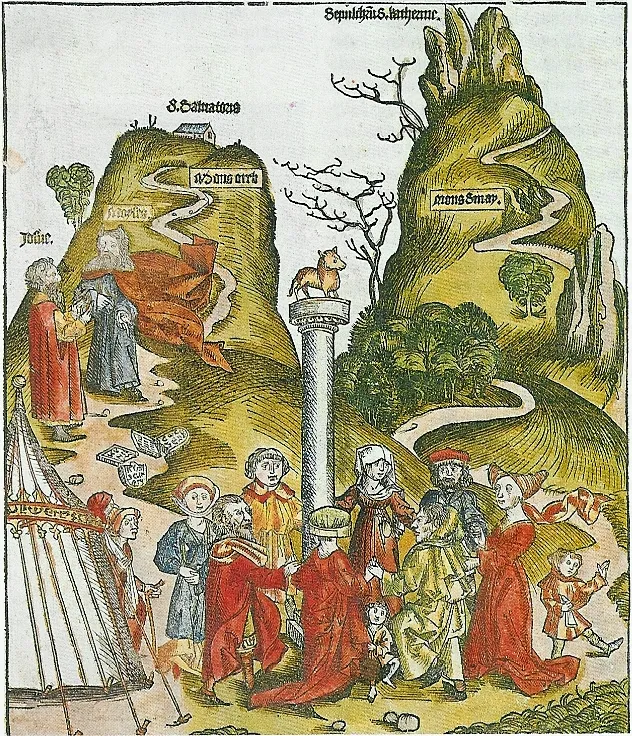
In medieval Strasbourg, a woman began dancing in the street and couldn't stop. Within a month, hundreds had joined her, some dancing until they collapsed — and the city's official response was to build them a stage.

Lightning Found Him Seven Times. It Finally Quit Out of Professional Respect.
Unbelievable Coincidences

Lightning Found Him Seven Times. It Finally Quit Out of Professional Respect.

Park ranger Roy Sullivan was struck by lightning seven times across 36 years — once through a truck window, once while chasing a cloud in his truck, once with his eyebrows as the only casualty. The odds of his life are mathematically absurd. Then came the ending nobody saw coming.

The Fire Started in 1962. The Last Resident Got Eviction Papers in 2009.
Strange Historical Events

The Fire Started in 1962. The Last Resident Got Eviction Papers in 2009.

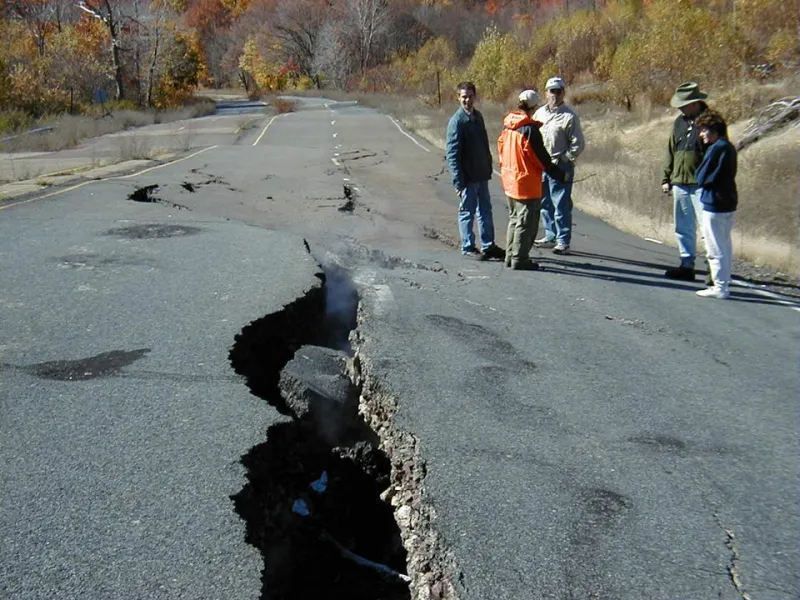
An underground coal seam has been burning beneath Centralia, Pennsylvania since the Kennedy administration. The state gave up fighting it decades ago and bought everyone out — except a stubborn handful who refused to go.

Your Car Rolls Uphill Here. Physicists Have Checked. It Still Does.
Odd Discoveries

Your Car Rolls Uphill Here. Physicists Have Checked. It Still Does.

Scattered across the United States are dozens of spots where cars in neutral appear to roll uphill, balls bounce the wrong direction, and water flows against gravity. Scientists know what's causing it. That explanation, somehow, makes it weirder.

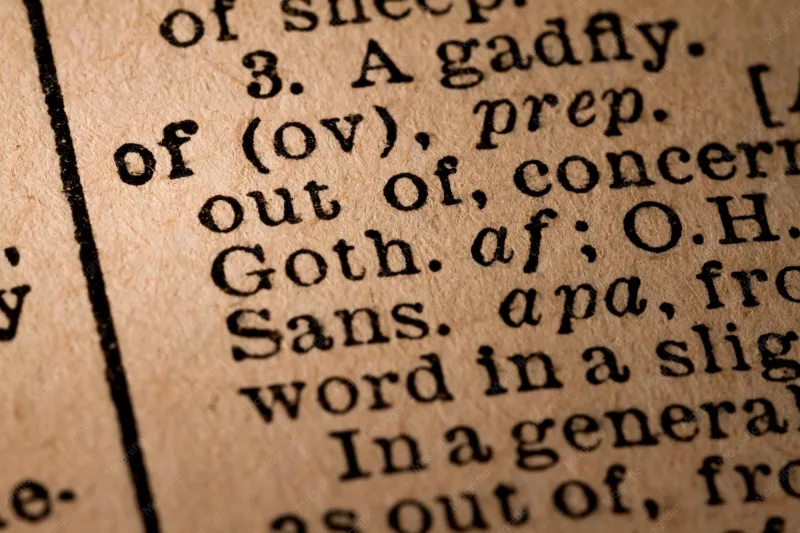
The Dictionary Quietly Took a Word Back. Nobody Announced It.
Unbelievable Coincidences

The Dictionary Quietly Took a Word Back. Nobody Announced It.

Dictionaries feel permanent — the final word on what words are real. But the truth is that words get added, pulled, and quietly restored through a process that's part linguistics, part politics, and part bureaucratic accident. Some words have been removed and brought back without a single public announcement.

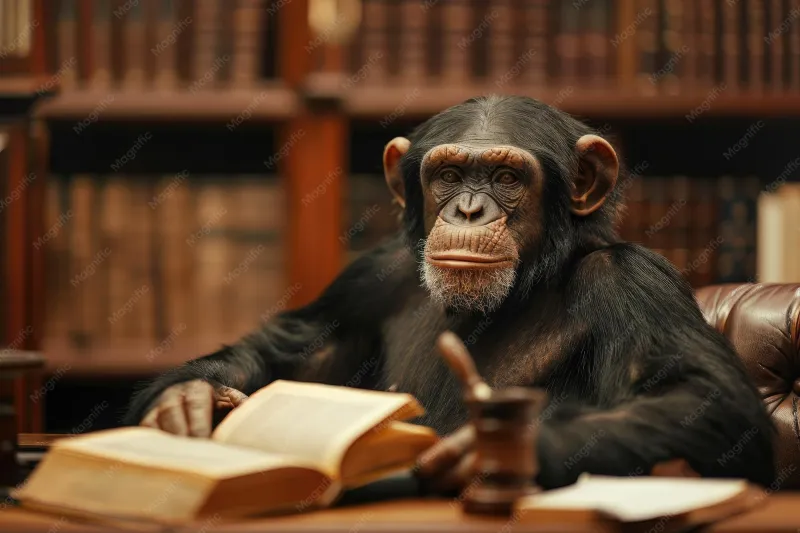
A Chimpanzee Walked Into Court. The Judge Had to Think About It.
Strange Historical Events

A Chimpanzee Walked Into Court. The Judge Had to Think About It.

In 2015, a New York judge issued a writ of habeas corpus on behalf of a chimpanzee named Hercules. It wasn't a joke. The question of whether animals can be legal persons has wound its way through American courts for over a century, and the answer is still messier than you'd expect.

He Spent a Career Documenting a Disease That Didn't Exist — and Medicine Believed Him for a Century
Odd Discoveries

He Spent a Career Documenting a Disease That Didn't Exist — and Medicine Believed Him for a Century

A nineteenth-century physician painstakingly recorded hundreds of patient cases, published detailed findings, and became a respected authority on a condition that modern researchers can't find any trace of. His disease still appears in historical medical literature. His patients were real. The illness, apparently, was not.

They Built the Bridge. Just Not Where Anyone Asked Them To.
Unbelievable Coincidences

They Built the Bridge. Just Not Where Anyone Asked Them To.

A small Midwestern town hired contractors to build a bridge in the 1950s, and the contractors did exactly that — several miles from where the town wanted it. What happened next involves two bridges, two lawsuits, a town that accidentally got more infrastructure than it paid for, and a local legend that's been growing ever since.

It Sat in 200 Feet of Water Off California for Decades — and Nobody Could Agree Who Owned It
Strange Historical Events

It Sat in 200 Feet of Water Off California for Decades — and Nobody Could Agree Who Owned It

A Japanese submarine sunk during World War II spent decades quietly rusting off the California coast, becoming a Cold War curiosity, a sport diver's playground, and eventually a diplomatic puzzle nobody wanted to solve. The strangest part? The war had been over for three-quarters of a century, and the ship still didn't legally belong to anyone.

Humanity Won the War on Smallpox — Then Found the Enemy Hiding in a Freezer
Odd Discoveries

Humanity Won the War on Smallpox — Then Found the Enemy Hiding in a Freezer

In 1980, the world celebrated one of medicine's greatest victories: smallpox was gone. Except it wasn't — not entirely. Decades later, forgotten vials of the virus turned up in a storage freezer, quietly waiting in the dark.

He Retired. The Government Didn't Notice for Two Decades.
Strange Historical Events

He Retired. The Government Didn't Notice for Two Decades.

When a mid-level federal administrator left his position in the early 1980s, his department kept right on cutting his checks — for twenty-three years. The story of how this happened, and why it took so long to unravel, says something genuinely strange about the machinery of the American federal bureaucracy.

A Clerical Error Sent a Fortune to the Wrong Town — and the Wrong Town Built a Library With It
Unbelievable Coincidences

A Clerical Error Sent a Fortune to the Wrong Town — and the Wrong Town Built a Library With It

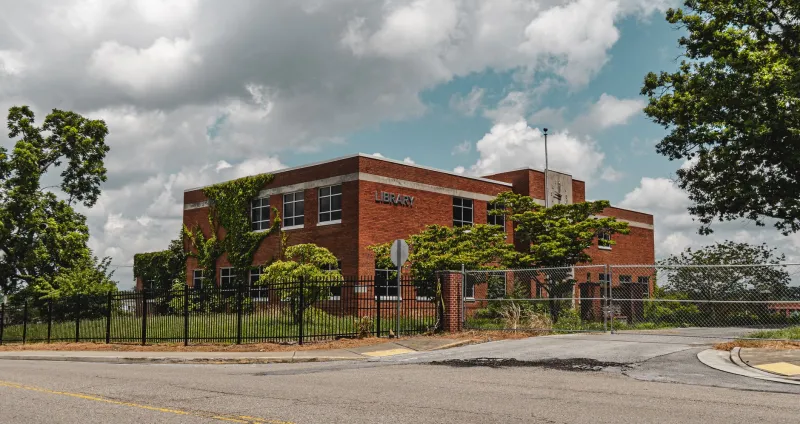
A misdirected inheritance payment landed in the bank account of a small town that had absolutely no claim to it. By the time anyone figured out the mistake, the money had already become a beloved community library — and untangling the error turned out to be legally and morally messier than anyone expected.

The Illness That Got Officially Cured While Millions of Americans Were Still Sick
Odd Discoveries

The Illness That Got Officially Cured While Millions of Americans Were Still Sick

In one of medicine's stranger administrative moments, a real condition was formally retired from diagnostic manuals while the people who had it were still very much experiencing it. What followed was decades of patients seeking treatment for a disease that, on paper, no longer existed.

He Kept Reinventing the Wheel — Literally the Same Wheel, Three Separate Times
Strange Historical Events

He Kept Reinventing the Wheel — Literally the Same Wheel, Three Separate Times

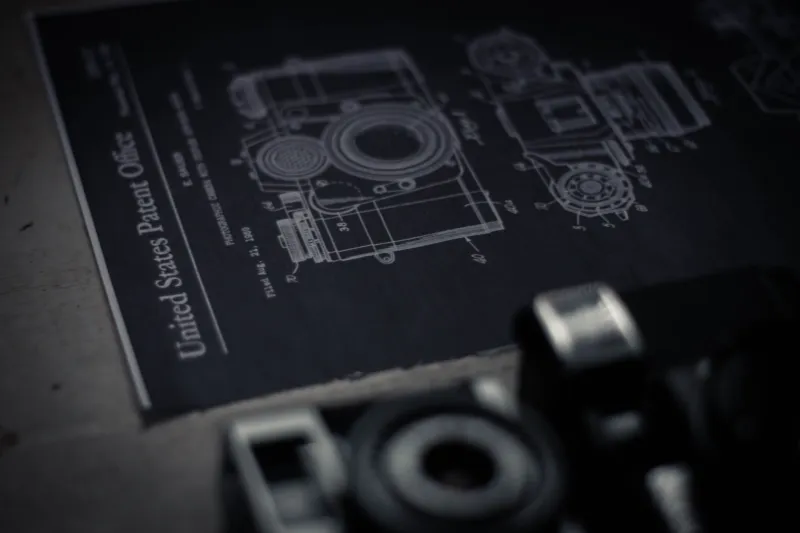
One American inventor filed patents for the same essential innovation across three different decades, each time convinced he was breaking new ground. What followed was a bureaucratic puzzle that raised uncomfortable questions about originality, isolation, and the strange mechanics of human genius.

For Ninety Seconds, a Radio Station Played the Same Moment Twice — and Nobody Could Explain It
Unbelievable Coincidences

For Ninety Seconds, a Radio Station Played the Same Moment Twice — and Nobody Could Explain It

Somewhere in the middle of a routine broadcast, a mid-century American radio station did something that should have been physically impossible: it repeated the same ninety seconds of live radio in perfect succession. Listeners heard it. Engineers couldn't account for it. And the explanation, when it finally came, wasn't much more satisfying than the mystery.

Killed in Action, Present at the Funeral: The WWII Soldiers the Army Forgot Were Alive
Unbelievable Coincidences

Killed in Action, Present at the Funeral: The WWII Soldiers the Army Forgot Were Alive

During World War II, a military recordkeeping error declared at least one American soldier officially dead — triggering family notifications, grief, and funeral preparations — while the man himself was still very much breathing. Getting the government to admit its own paperwork was wrong turned out to be its own kind of battle.

The Most-Sung Song in America Was Owned by a Corporation — Until a Judge Read the Fine Print
Odd Discoveries

The Most-Sung Song in America Was Owned by a Corporation — Until a Judge Read the Fine Print

For most of the twentieth century, the song performed at virtually every American birthday party was legally owned by a music publishing company that collected royalties every time it appeared on screen or stage — a claim worth millions of dollars. Then a filmmaker decided to fight the copyright, and what investigators found in the archives was, to put it charitably, not great for the company's legal position.

One State, Two Governors, Zero Agreement: The Year Rhode Island Tore Itself in Half
Strange Historical Events

One State, Two Governors, Zero Agreement: The Year Rhode Island Tore Itself in Half

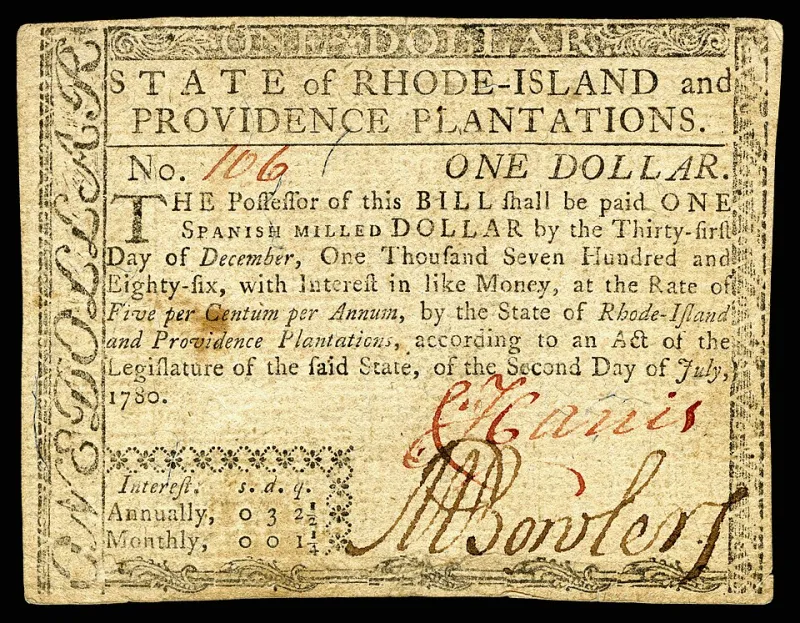
In 1842, Rhode Island somehow ended up with two fully functioning governments at the same time — two governors, two sets of laws, and two groups of officials threatening to lock each other up. It was less a civil war and more a constitutional identity crisis, and the U.S. Supreme Court wanted absolutely nothing to do with it.

The Spite Plate That Conquered America: How One Chef's Frustration Invented the Potato Chip
Odd Discoveries

The Spite Plate That Conquered America: How One Chef's Frustration Invented the Potato Chip

In the summer of 1853, a cook at a New York resort allegedly sliced potatoes so thin they were practically transparent — not out of culinary inspiration, but out of pure, professional irritation. The guest who kept sending his fries back had no idea he was about to become the unwitting godfather of America's most consumed snack food. What happened next turned a moment of kitchen frustration into a multi-billion dollar industry, though the full story is considerably messier than the legend.

The Obituary That Arrived Before the Death Did: A Kentucky Newsroom's Most Haunting Mistake
Unbelievable Coincidences

The Obituary That Arrived Before the Death Did: A Kentucky Newsroom's Most Haunting Mistake

In 1897, a small Kentucky newspaper ran a practice obituary for its own editor — a typesetting drill that was never supposed to see print. A miscommunication sent the edition to press anyway. That same morning, as townspeople read the obituary over their coffee, the editor died of a heart attack. The story has been whispered about in American newsrooms ever since, and it sits at the center of a debate about pre-written obituaries that journalists still haven't fully resolved.