When a Legal Loophole Accidentally Made Women Voters 70 Years Before Suffrage
The Pronoun That Changed History
Imagine discovering that your state accidentally gave women the right to vote in 1776 — and then spent thirty years pretending it never happened. That's exactly what occurred in New Jersey, where a carelessly worded constitution created one of America's most accidental democratic breakthroughs.
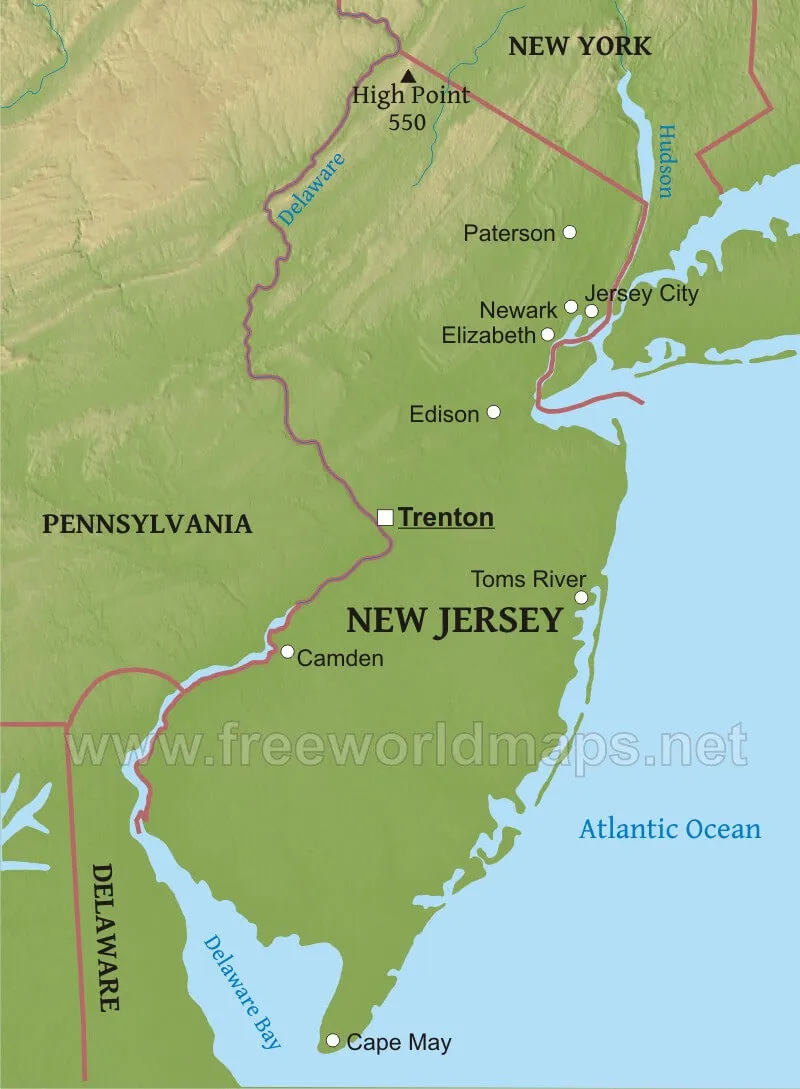 Photo: New Jersey, via www.freeworldmaps.net
When New Jersey's founding fathers drafted their state constitution in July 1776, they were rushing to establish legitimacy as an independent colony. In their haste, they wrote that voting rights belonged to "all inhabitants of this Colony, of full age, who are worth fifty pounds... and have resided within the county... for twelve months."
Notice what's missing? The word "male."
Democracy by Accident
This oversight created something revolutionary: a legal framework where anyone — regardless of gender or race — could vote if they met the property and residency requirements. Women and free Black citizens began exercising this right almost immediately, and for over two decades, New Jersey elections featured a remarkably diverse electorate.
The phenomenon wasn't just theoretical. Historical records show women actively participating in local and state elections throughout the 1780s and 1790s. They voted for governors, congressmen, and local officials. Some elections were decided by margins that included significant numbers of female votes.
Political parties even began courting women voters. Federalists and Democratic-Republicans would organize events specifically to attract female supporters, recognizing their growing influence in close races.
When Reality Got Uncomfortable
By the early 1800s, this accidental equality was making traditional politicians nervous. The 1807 gubernatorial election proved to be the breaking point. The race between John Lambert and William Pennington was incredibly close, with women voters playing a decisive role in several counties.
 Photo: William Pennington, via static.wikia.nocookie.net
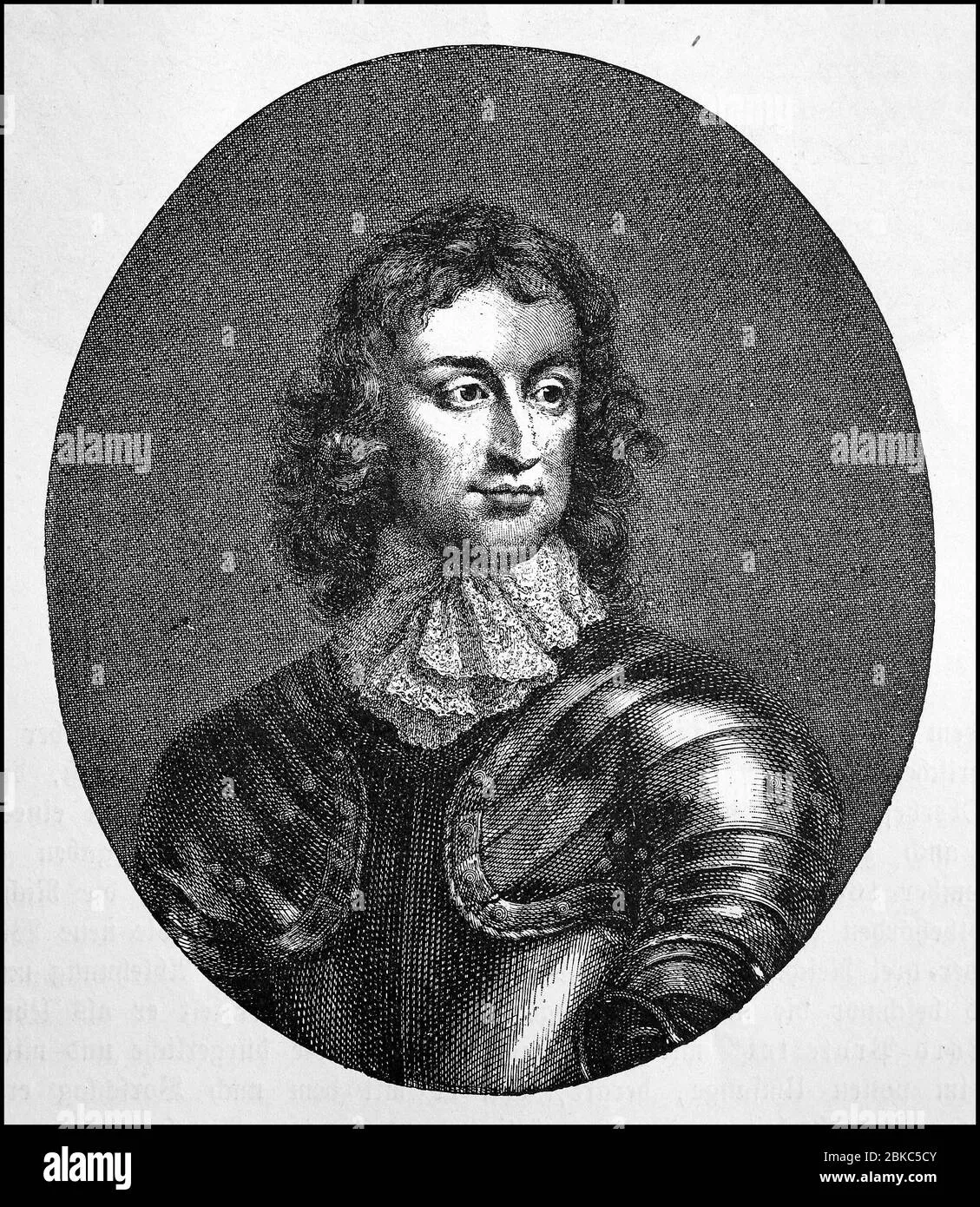 Photo: John Lambert, via c8.alamy.com
Political tensions reached a fever pitch when accusations flew about fraudulent voting — with particular suspicion cast on women and Black voters. Some claimed that men were bringing their wives, daughters, and female servants to vote multiple times. Others suggested that women were being manipulated by male relatives.
Whether these accusations were legitimate or simply convenient excuses remains debated by historians. What's clear is that the political establishment had grown uncomfortable with their accidental experiment in expanded suffrage.
The Quiet Erasure
In November 1807, the New Jersey legislature acted swiftly and decisively. They passed a new law restricting voting rights to "free white male citizens" over twenty-one who met property requirements. The legislation passed with minimal debate and no fanfare.
The timing was telling. Lawmakers waited until after the contentious election to change the rules, suggesting they were responding to the results rather than preventing future problems. They effectively erased thirty years of expanded democracy with a single vote.
The Cover-Up That Lasted Centuries
What makes this story even more remarkable is how thoroughly it disappeared from popular memory. For generations, most Americans learned that women gained voting rights in 1920 with the 19th Amendment, with no mention of New Jersey's earlier experiment.
Historians didn't begin seriously studying this period until the 1960s, when researchers combing through election records and newspaper archives uncovered evidence of widespread female voting in early New Jersey. The documentation was there all along — it had simply been ignored or dismissed.
Some scholars now argue that New Jersey's experience influenced later suffrage movements. Women who had tasted political participation didn't simply forget the experience when it was taken away. Their daughters and granddaughters carried those stories forward, even if they didn't make it into official histories.
The Lasting Questions
New Jersey's accidental suffrage raises fascinating questions about American democracy. If women could vote effectively in the 1790s, what exactly prevented nationwide expansion of voting rights for another century? Was the restriction truly about preventing fraud, or was it about maintaining traditional power structures?
The episode also highlights how easily democratic progress can be reversed. Rights that seem secure can vanish with a single legislative session if there isn't strong institutional protection.
Perhaps most remarkably, this story demonstrates how much historical accident shapes our political development. A single pronoun — or lack thereof — created a generation of female voters who technically had more political rights than their great-granddaughters would enjoy.
Today, New Jersey's 1776 constitution sits in the state archives, that crucial missing word still absent from its yellowed pages. It's a reminder that sometimes the most significant historical moments happen not through grand design, but through the simple oversight of exhausted legislators working against a deadline.