The Failed Lawyer Who Conquered Central America With 58 Men and Sheer Audacity
The Most Unlikely Dictator in History
In 1855, a 5'2" failed lawyer from Tennessee walked into Nicaragua with 58 American mercenaries and somehow became the country's president. If this sounds like the plot of a bad action movie, that's because reality occasionally produces stories too absurd for Hollywood.
William Walker's rise to power defies every rule of logic, international law, and basic common sense. Yet for two years, this unlikely conquistador ruled a Central American nation with the full diplomatic recognition of the United States government.
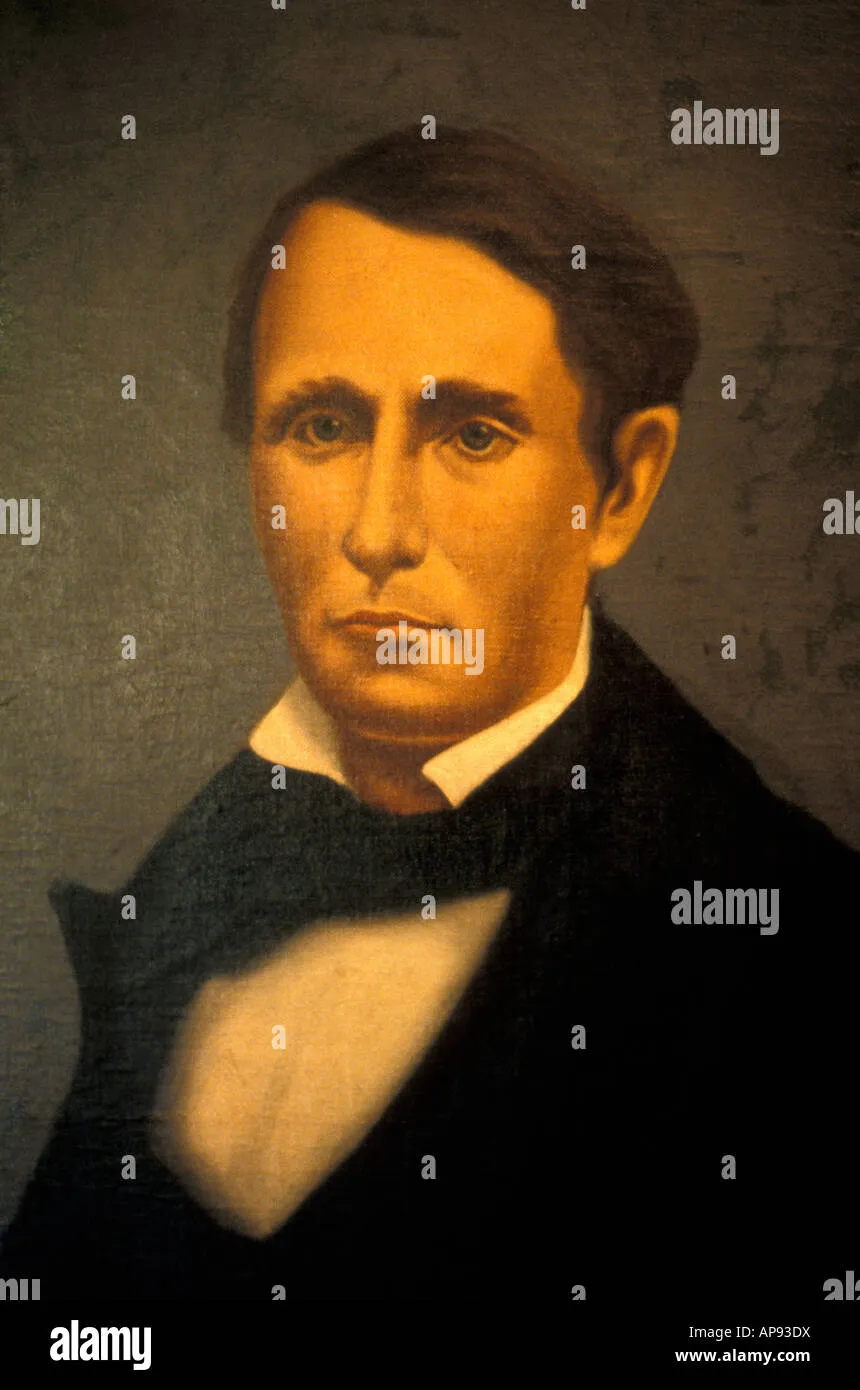 Photo: William Walker, via c8.alamy.com
From Courtroom Failures to Military Dreams
Walker's pre-conquest resume reads like a catalog of professional disappointments. He'd flunked out of law practice in New Orleans, failed as a newspaper editor in California, and couldn't even succeed as a forty-niner during the Gold Rush. By age thirty, he'd burned through three careers and was essentially unemployed.
Most people would consider this a sign to perhaps try accounting. Walker decided to invade Mexico.
In 1853, he sailed from San Francisco with 45 followers to "liberate" the Mexican state of Sonora. His plan was to establish an independent republic and eventually petition for U.S. statehood. The Mexican government, predictably, objected to this freelance territorial acquisition.
Walker's Mexican adventure lasted exactly six months before he retreated across the border with a handful of survivors, facing federal charges for violating neutrality laws. A San Francisco jury acquitted him in eight minutes, apparently viewing unauthorized conquest as a reasonable career move.
Nicaragua Calls (Sort Of)
Two years later, opportunity knocked in the form of Nicaraguan civil war. The country was split between Liberal and Conservative factions, with the Liberals controlling the city of León and the Conservatives holding Granada. In a move that seemed logical at the time, the Liberals decided their best strategy was hiring American mercenaries.
They contacted Walker, who had somehow developed a reputation as a competent military leader despite his Mexican fiasco. In May 1855, he landed in Nicaragua with 58 men calling themselves "The Immortals" — a name that proved ironically optimistic given their subsequent casualty rates.
Conquest by Accident
What happened next violates every principle of military science. Walker's tiny force somehow captured Granada, the Conservative stronghold, in a surprise night attack. This single victory effectively ended the civil war and left Walker holding most of Nicaragua's political cards.
Rather than returning power to his Liberal allies, Walker decided to keep it. He arranged a sham election in 1856 that made him president, with voting supervised by his own soldiers. International observers noted that the balloting process was "unusually efficient."
The most absurd part? The United States immediately recognized his government as legitimate.
Running a Country Like a Startup
Walker's presidency combined progressive idealism with spectacular incompetence. He declared English an official language, legalized slavery (which Nicaragua had abolished), and invited American colonization. He also established freedom of the press, separated church and state, and promoted religious tolerance.
His cabinet consisted entirely of Americans, most of whom spoke no Spanish. Policy meetings reportedly required translators to communicate with Nicaraguan officials in their own government.
Walker financed his administration through a combination of confiscated Conservative property, foreign loans, and what can charitably be called "creative taxation." He also issued his own currency, featuring his portrait and the motto "Liberty, Order, Justice" — in English.
The Empire Strikes Back
By 1857, Walker had managed to unite virtually every power in Central America against him. Costa Rica, Honduras, El Salvador, and Guatemala formed a coalition to remove the gringo president. Even more problematically, Cornelius Vanderbilt turned against him after Walker tried to seize control of the Accessory Transit Company, Vanderbilt's lucrative shipping operation across Nicaragua.
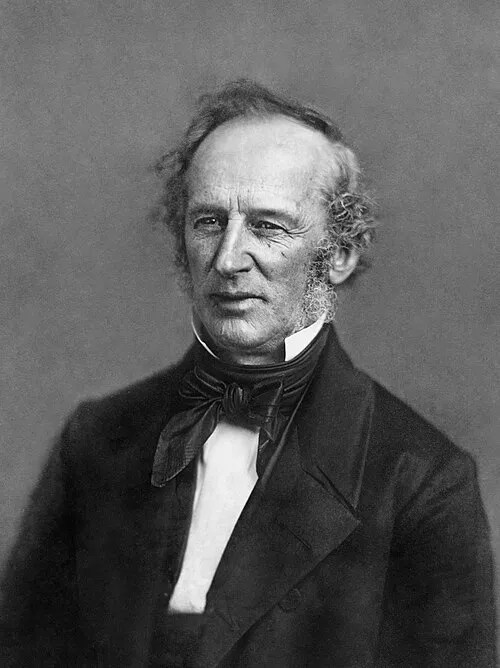 Photo: Cornelius Vanderbilt, via upload.wikimedia.org
Fighting a war against multiple countries while managing a hostile business mogul proved challenging even for Walker's considerable talents for chaos. His army of American volunteers dwindled through combat, disease, and desertion.
The end came in May 1857, when a U.S. Navy commander offered Walker safe passage to avoid a massacre. He surrendered his presidency and returned to New Orleans, where he was welcomed as a hero by crowds who apparently found his brief dictatorship inspiring.
The Inevitable Sequel
Most people would consider ruling a foreign country for two years sufficient adventure for one lifetime. Walker immediately began planning his comeback.
He launched two more invasion attempts, both ending in failure. The final expedition in 1860 saw him captured by the British Navy and handed over to Honduran authorities, who executed him by firing squad. He was thirty-six years old.
The Legacy of Audacity
Walker's story reveals something unsettling about 19th-century international relations: apparently, anyone with enough nerve and a small army could become a head of state. His recognition by the U.S. government suggests that American foreign policy was even more chaotic than generally remembered.
More remarkably, Walker's adventures inspired dozens of similar "filibustering" expeditions throughout the 1850s and 1860s. American newspapers treated these private conquests as entertainment, running detailed coverage of various failed invasions like sports scores.
Today, Nicaragua remembers Walker as a cautionary tale about American imperialism. In the United States, he's largely forgotten — which might be for the best. Some stories are too strange to serve as inspiration, even accidentally.
Walker's grave in Honduras bears a simple inscription: "William Walker, 1824-1860." It doesn't mention that he was briefly president of a country he'd never visited before invading it. Some achievements are too improbable to fit on a headstone.