The Town That Threw Its Birthday Party Two Decades Too Soon
The Grand Celebration That Never Should Have Happened
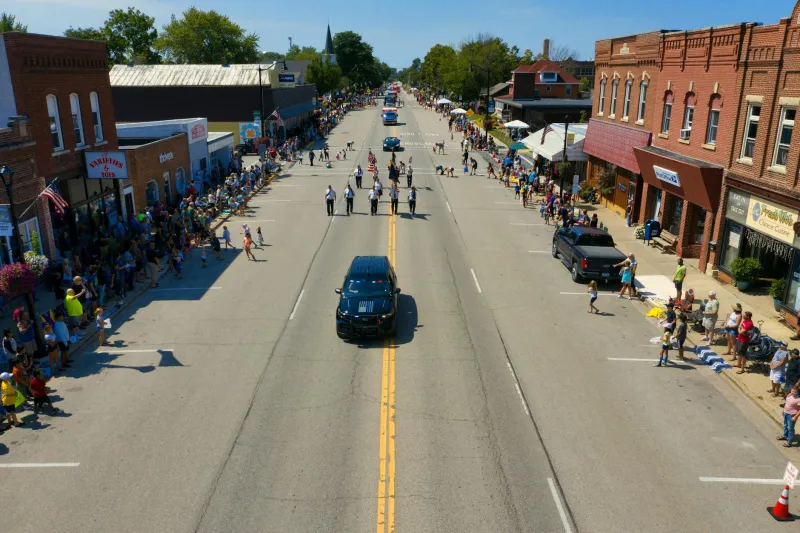
Picture this: a small Midwestern town pulls out all the stops for its 100th birthday. Main Street is draped in bunting, the high school marching band plays patriotic songs, and the mayor cuts a ribbon in front of a bronze plaque commemorating a century of American progress. The local newspaper runs a special commemorative edition, complete with sepia-toned photographs of the town's founding fathers and their weathered log cabins.
This was Millfield, Iowa, in the summer of 1952. Population 847, proud as punch, and celebrating what they believed was their centennial anniversary with all the pomp a farming community could muster.
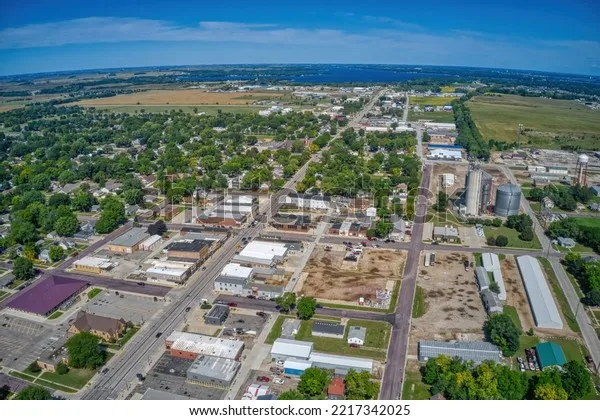 Photo: Millfield, Iowa, via www.shutterstock.com
There was just one problem: they were 25 years too early.
When Good Intentions Meet Bad Math
The mix-up began decades earlier, rooted in the kind of historical confusion that small towns are particularly susceptible to. Millfield's founding story had always been a bit fuzzy around the edges. The original settlement had been established by German immigrants sometime in the 1870s, but the exact date had become lost in a haze of oral tradition and incomplete records.
When the town council decided to plan their centennial celebration in the early 1950s, they turned to the most authoritative source they could find: a faded newspaper clipping from 1902 that mentioned the town's "25th anniversary celebration." Simple math suggested that if Millfield was 25 years old in 1902, it must have been founded in 1877. Subtract 100 from 1952, and you get... well, close enough to 1877 to justify a party.
What the well-meaning organizers didn't realize was that the 1902 celebration had commemorated the 25th anniversary of the town's incorporation as an official municipality—not the arrival of the first settlers. The actual founding had occurred in 1877, but incorporation didn't happen until 1902.
A Presidential Seal of Approval
The 1952 centennial was no modest affair. The organizing committee had spent two years planning what they called "the biggest celebration in Millfield's history." They commissioned a local artist to design commemorative coins, arranged for a parade featuring floats from every church and civic organization, and even convinced the state historical society to send a representative.
The crown jewel of the celebration was a congratulatory telegram from President Harry Truman himself, acknowledging Millfield's "century of contribution to the American heartland." The telegram was framed and hung in the town hall, where it remained for the next 25 years as a source of considerable civic pride.
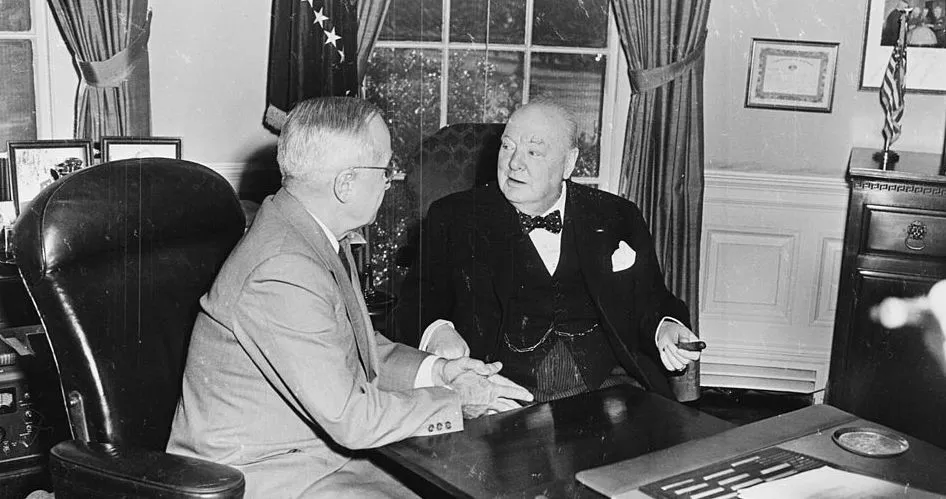 Photo: Harry Truman, via winstonchurchill.hillsdale.edu
Local businesses got in on the action too. The Millfield General Store created special "Centennial Blend" coffee, and the town's only restaurant offered a "Hundred-Year Hamburger" for the duration of the celebration. Even the local bank printed special checks featuring the town's (incorrect) founding date.
The Awkward Discovery
The truth emerged in 1977, when a graduate student from the University of Iowa arrived in Millfield to research German immigration patterns for her thesis. While digging through county courthouse records, she stumbled across the original incorporation documents—dated 1902, not 1877.
 Photo: University of Iowa, via www.cobiax.com
Further investigation revealed the actual timeline: German families had indeed begun settling in the area around 1877, but they hadn't formed an official township until 1902. The 1902 celebration had marked the town's legal birth, not its demographic one.
When the graduate student presented her findings to the mayor, the reaction was a mixture of embarrassment and bewilderment. "We celebrated our 75th anniversary thinking it was our 100th," Mayor Robert Henderson reportedly said. "I'm not sure whether that makes us premature or just optimistic."
The Response: Doubling Down on History
Rather than quietly acknowledging the mistake, Millfield decided to embrace the absurdity of their situation. The town council voted to officially recognize both 1877 and 1902 as founding dates—one for "settlement" and one for "incorporation." This creative solution meant they could celebrate their "true" centennial in 2002 without entirely disavowing the 1952 celebration.
The 2002 centennial was a more modest affair than its predecessor, partly because many residents felt they'd already had their big party. But the organizing committee did manage to arrange one special touch: they invited President George W. Bush to send another congratulatory telegram. This time, they made sure to include a footnote explaining the town's "unique dual founding dates."
The Legacy of Premature Celebration
Today, Millfield's double centennial has become something of a local legend. The town museum displays artifacts from both celebrations side by side, and tour guides delight in explaining how their community managed to celebrate the same milestone twice.
The 1952 commemorative coins have become minor collector's items, valued not for their rarity but for their historical incorrectness. Local antique shops regularly field inquiries from visitors who want to own a piece of America's most premature birthday party.
Perhaps most remarkably, President Truman's congratulatory telegram still hangs in the town hall, now accompanied by a small placard that reads: "Celebrating American optimism, even when the math doesn't quite add up."
In a country built on the idea that it's better to ask for forgiveness than permission, Millfield's story feels distinctly American. Sometimes the best celebrations happen when you're not entirely sure what you're celebrating—and sometimes being 25 years early is just another way of being fashionably ahead of your time.