He Went West to Die. He Forgot to.
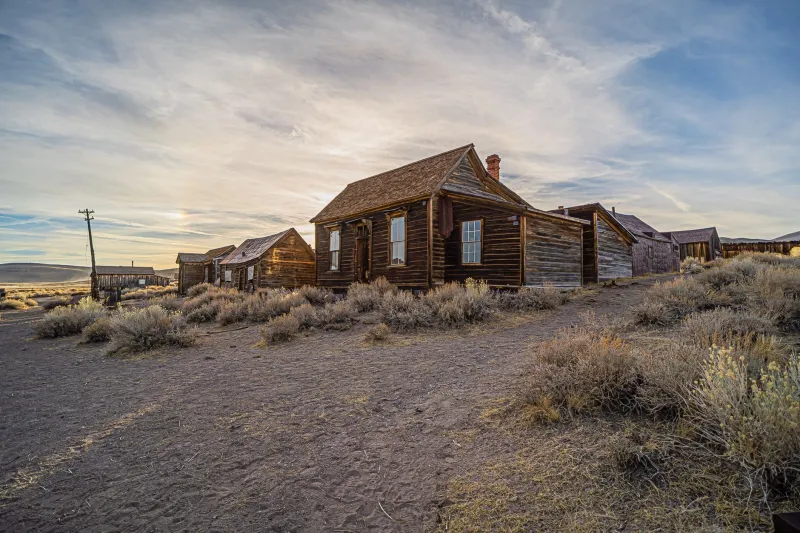
There is a version of history where John Henry Holliday spends his entire adult life in a Georgia dental office, arguing with patients about flossing and dying peacefully in his fifties with a modest savings account. In that version, nobody writes dime novels about him. Nobody makes movies. Nobody remembers his name.
That version didn't happen. But here's the part that sounds made up: almost nothing about the version that did happen was intentional.
A Perfectly Ordinary Beginning
Holliday was born in Griffin, Georgia in 1851, into a family respectable enough that a professional career wasn't just expected — it was the whole plan. He enrolled at the Pennsylvania College of Dental Surgery in Philadelphia, studied hard, graduated in 1872, and returned south to open a legitimate dental practice in Atlanta.
By any reasonable measure, the story should end there. Young dentist establishes himself. Fills cavities. Builds a clientele. Retires.
Instead, within a year of opening his practice, Holliday received a diagnosis that functionally ended the life he'd planned and accidentally launched the one he'd be remembered for: tuberculosis.
In 1872, a tuberculosis diagnosis wasn't a treatment plan. It was a timetable. Doctors of the era believed dry, warm climates could slow the disease's progression, so Holliday did what thousands of consumptive young Americans did in that period — he went west, following the advice of physicians who were essentially telling him to go somewhere pleasant to die.
He was twenty-two years old.
The Accidental Education of a Gunfighter
Holliday initially tried to keep his dental practice going. He set up offices in Dallas, then moved through a string of frontier towns — Jacksboro, Denison, eventually Dodge City — attempting to maintain some version of the professional life he'd trained for. It didn't stick. Frontier towns weren't exactly flush with patients who prioritized dental hygiene, and the coughing fits that came with advanced tuberculosis didn't inspire confidence in a man holding sharp instruments near your face.
What frontier towns did offer was gambling. Holliday had grown up playing cards and discovered, somewhere between Texas and Kansas, that he was extraordinarily good at it. He was also good at something else: he had no meaningful fear of death, because he already believed he was dying.
This is the psychological detail that historians often point to when trying to explain how a trained dental surgeon became one of the most dangerous men on the frontier. Holliday wasn't reckless by temperament. He was reckless by arithmetic. When you're already convinced your lungs are going to kill you before anyone else gets the chance, the usual calculations about risk stop making sense.
He became a skilled shot. He developed a reputation for not backing down from confrontations that most sane men walked away from. And he made a friend named Wyatt Earp in Dodge City in 1878, a friendship that would eventually lead him to a dusty lot in Tombstone, Arizona, on October 26, 1881.
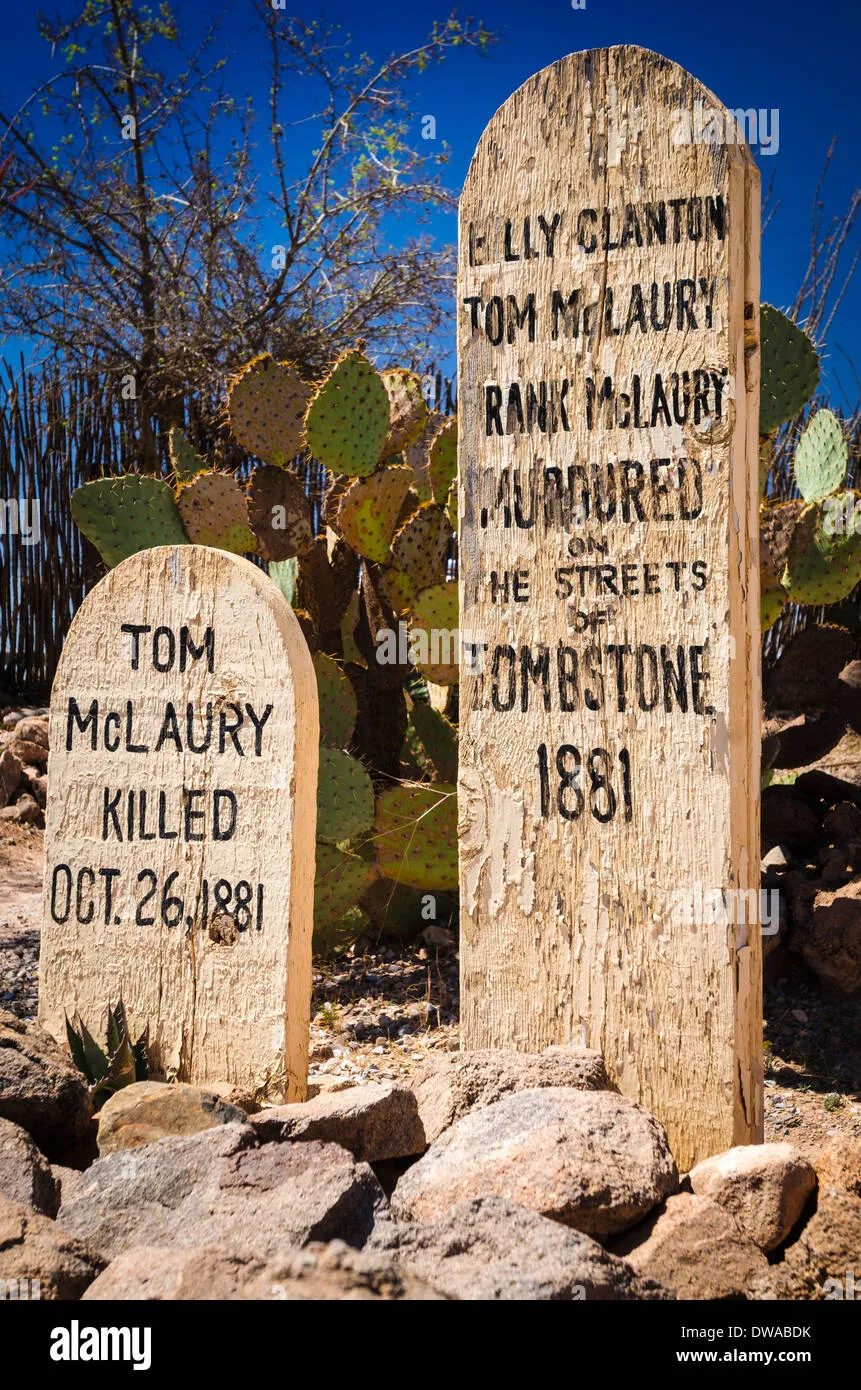 Photo: Tombstone, Arizona, via c8.alamy.com
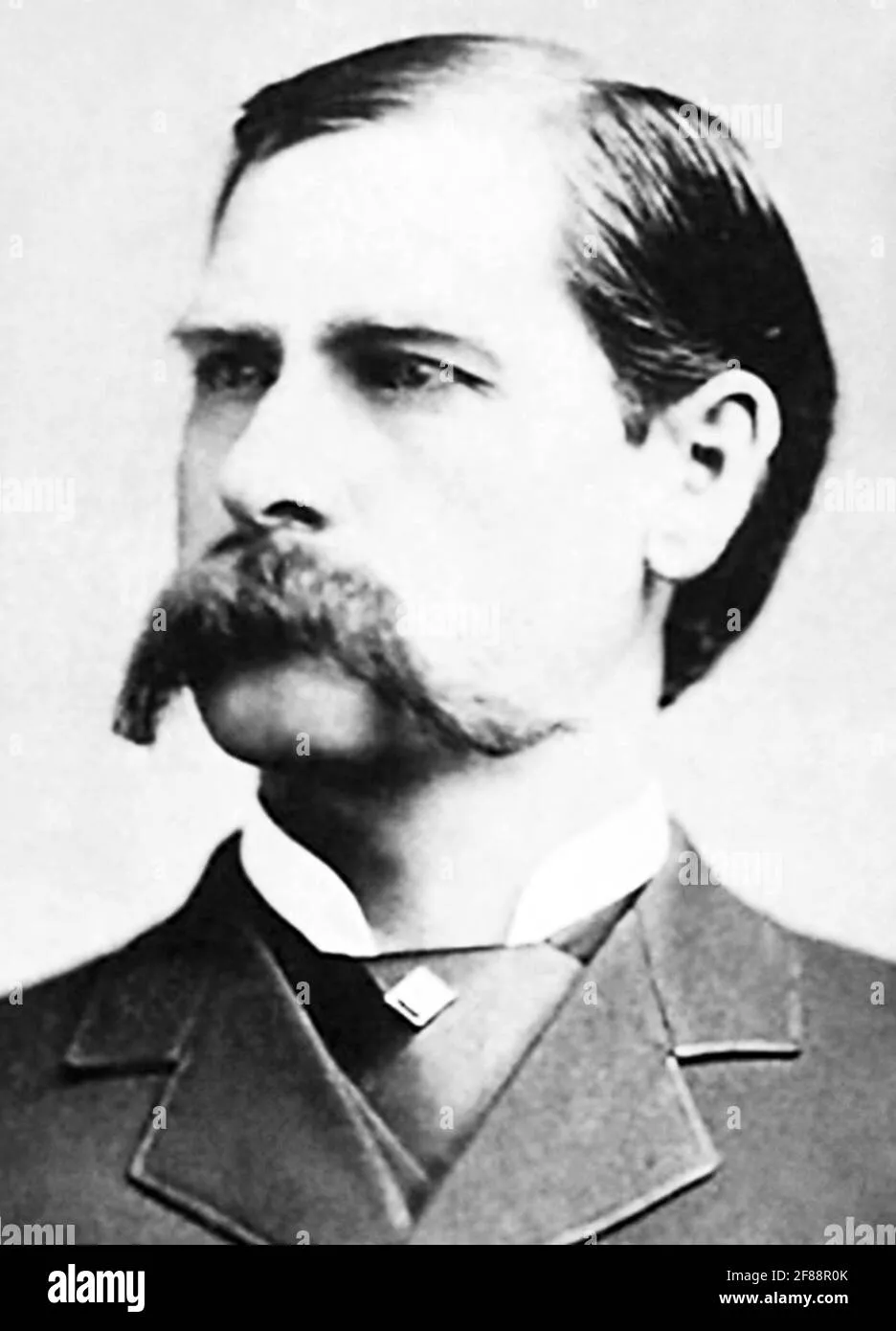 Photo: Wyatt Earp, via c8.alamy.com
Twenty-Three Seconds Outside a Corral
The Gunfight at the O.K. Corral lasted less than thirty seconds. Holliday was there, alongside Wyatt, Virgil, and Morgan Earp, facing a group of cowboys who had been escalating tensions with Tombstone's law enforcement for weeks. When the shooting started, Holliday fired one of the first shots.
The gunfight itself became legendary. Holliday's role in it — and in the violent aftermath, including the vendetta ride the Earps conducted following Morgan's murder — cemented his reputation as something mythological. He was already a ghost story in his own lifetime: the pale, coughing dentist from Georgia who everyone expected to drop dead and who instead kept showing up.
After Tombstone, Holliday drifted to Colorado. He was arrested, acquitted, arrested again, acquitted again. He kept gambling. He kept coughing.
The Ending Nobody Predicted
Here is perhaps the strangest part of a story already full of strange parts: Doc Holliday died in bed.
Not in a gunfight. Not from a bullet. He died in Glenwood Springs, Colorado in November 1887, at thirty-six years old, from tuberculosis — the same disease that had sent him west in the first place. By the standards of frontier gunfighters, thirty-six was young. By the standards of an 1872 tuberculosis diagnosis, it was practically a miracle.
According to accounts, his last words were a look at his bare feet, followed by the observation that he'd always expected to die with his boots on. Even at the end, the man seemed surprised by how his own story was going.
He'd survived the O.K. Corral. He'd survived the vendetta ride. He'd survived years of confrontations with men who specifically wanted him dead. He'd survived longer than almost anyone — including his own doctors — had predicted.
John Henry Holliday went west to die quietly and instead became a legend, not because he sought it out, but because tuberculosis sent him somewhere his particular combination of fearlessness and skill was uniquely suited to the moment. He was, at his core, a dentist who was very good at not dying when everyone expected him to.
History has a way of doing that to people who forget to follow the script.