When Bureaucrats Prepared for a Country Before It Existed
The Filing Cabinet That Predicted the Future
Imagine walking into the Library of Congress in 1918 and finding an entire section dedicated to books, documents, and materials from a country that didn't officially exist. The shelves were labeled, the cataloguing system was in place, and librarians confidently directed researchers to materials from this phantom nation as if it had been sending diplomatic pouches to Washington for decades.
 Photo: Library of Congress, via tvazteca.brightspotcdn.com
This wasn't science fiction or wishful thinking. It was the most ambitious act of bureaucratic optimism in American history.
When Paperwork Outran Reality
In the early 20th century, as the Ottoman Empire crumbled and new nations emerged from its ashes, Library of Congress officials made a remarkable decision. Rather than wait for formal recognition of emerging states, they would prepare their cataloguing systems in advance. One particular region caught their attention: the territories that would eventually become modern-day Israel.
 Photo: Ottoman Empire, via pvmchicago.net
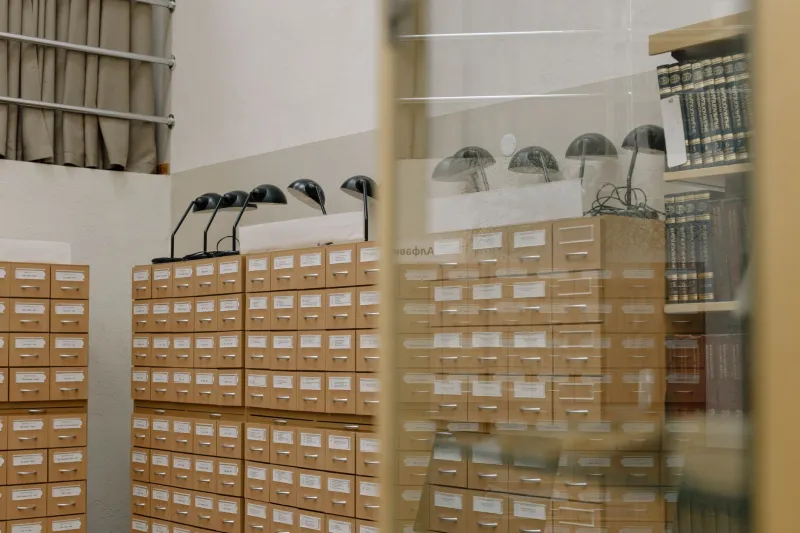
The librarians didn't just create a few placeholder files. They developed an entire classification system, complete with geographic subdivisions, historical periods, and subject categories. They assigned call numbers, prepared card catalogs, and even designated specific shelf space in the stacks. The institutional machinery of documentation was humming along, processing materials from a country that existed only in the minds of catalogers and the hopes of displaced populations.
The Confidence of Card Catalogs
What makes this story particularly strange is how thoroughly the Library committed to this premature nation-building exercise. Staff members received training on the new cataloguing protocols. Acquisition librarians knew exactly where to file incoming materials. The bureaucratic infrastructure treated this future state as an inevitable reality, not a political possibility.
When researchers requested materials about this region, librarians didn't hedge their language or add disclaimers about uncertain political status. They simply directed visitors to the appropriate section, as if the nation had been sending official publications to the Library for years.
The phantom country had better organizational representation in Washington than some actual existing nations.
The Awkward Years of Almost
For nearly three decades, this cataloguing system existed in a strange bureaucratic limbo. Materials continued to arrive and get properly filed according to the predetermined system. The Library's annual reports mentioned the collection growth in matter-of-fact language, treating the non-existent nation's literary output as routine as publications from France or Germany.
Visiting scholars found the situation both helpful and bewildering. They could locate materials efficiently thanks to the well-organized system, but they were essentially researching a country that existed primarily in filing cabinets and card catalogs.
The Library had created what amounted to a documentary ghost town—all the infrastructure of national representation without an actual nation to represent.
When Reality Finally Caught Up
In 1948, when Israel declared independence and received international recognition, something remarkable happened at the Library of Congress. Nothing changed. The cataloguing system that had been waiting patiently for thirty years simply continued operating as if this moment had been scheduled all along.
New acquisitions flowed seamlessly into the existing organizational structure. The call numbers that had been assigned decades earlier proved perfectly adequate for the real nation's publications. The shelf space that had been reserved in anticipation was exactly where librarians expected to find it.
The Library of Congress had essentially performed a thirty-year magic trick: they had made a country appear in their collections before it appeared on any map.
The Bureaucratic Crystal Ball
This wasn't the only time the Library made such prescient organizational decisions, but it was perhaps the most successful. Their early cataloguing system became the foundation for one of the world's most comprehensive collections of Israeli materials, simply because they had started collecting and organizing decades before most institutions even recognized there would be something to collect.
The phantom cataloguing had created real scholarly value. Researchers studying the region's transition from mandate to statehood found materials that might otherwise have been scattered or lost, all because librarians had been confident enough to build the infrastructure before the country arrived to fill it.
The Strange Legacy of Premature Filing
Today, the Library of Congress houses one of the most extensive collections of Israeli publications outside of Israel itself. The organizational system developed in the 1910s and 1920s still forms the backbone of how these materials are classified and accessed.
What started as an act of bureaucratic faith became a cornerstone of international scholarship. The librarians who prepared for a country that didn't exist yet created something more valuable than they could have imagined: a complete documentary record of a nation from before its birth through its first decades of existence.
It's a reminder that sometimes the most practical thing you can do is prepare for a future that hasn't happened yet—and hope your filing system is ready when reality finally decides to show up.