One State, Two Governors, Zero Agreement: The Year Rhode Island Tore Itself in Half
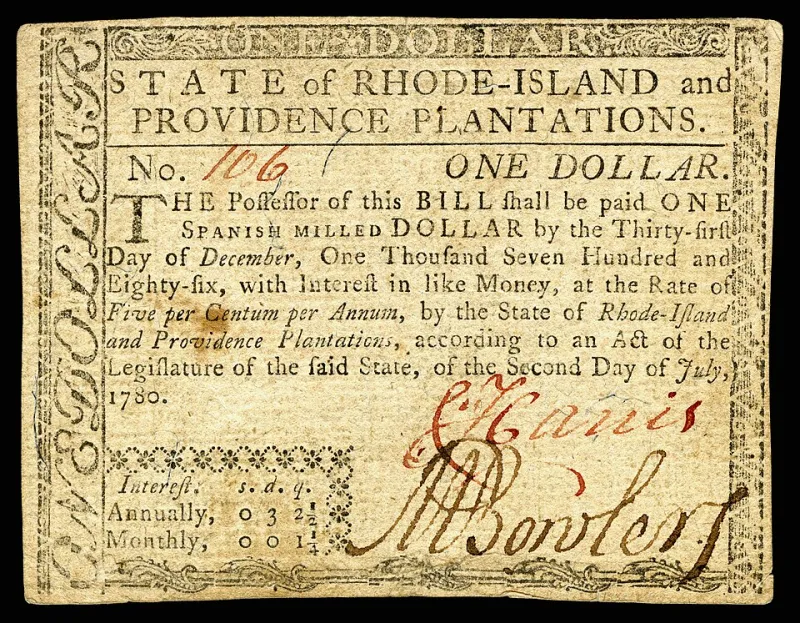
Photo: National Museum of American History, Public domain, via Wikimedia Commons
The State That Couldn't Agree on What It Was
Most states have one constitution. One governor. One set of rules. Rhode Island, for a memorable stretch of 1842, decided that was far too simple.
 Photo: Rhode Island, via wallpapercave.com
For several chaotic months, the smallest state in the union operated with two competing governments simultaneously — each one fully convinced it was the real deal, each one holding meetings, issuing orders, and making serious threats against the other. Residents woke up genuinely unsure which laws applied to them, which governor had authority over their county, and whether the person knocking on their door represented legitimate law enforcement or a rival political faction playing dress-up.
This wasn't a coup. It wasn't a foreign invasion. It was, at its core, a paperwork dispute that somehow escalated into one of the strangest constitutional standoffs in American history.
The Problem With Being the Colony That Wouldn't Update
To understand how Rhode Island got here, you have to understand what it was working with. While every other state had updated its governing framework after independence, Rhode Island was still operating under its original royal charter from 1663. Not metaphorically — literally the same document, written when King Charles II was handing out land like party favors.
That charter restricted voting rights to landowners and their eldest sons. By the 1840s, this meant that a significant portion of Rhode Island's adult male population — including most working-class men and recent immigrants — had no voice in their own government whatsoever. The state's ruling class saw no urgent reason to change this. The people locked out of the system disagreed, loudly.
Enter Thomas Wilson Dorr.
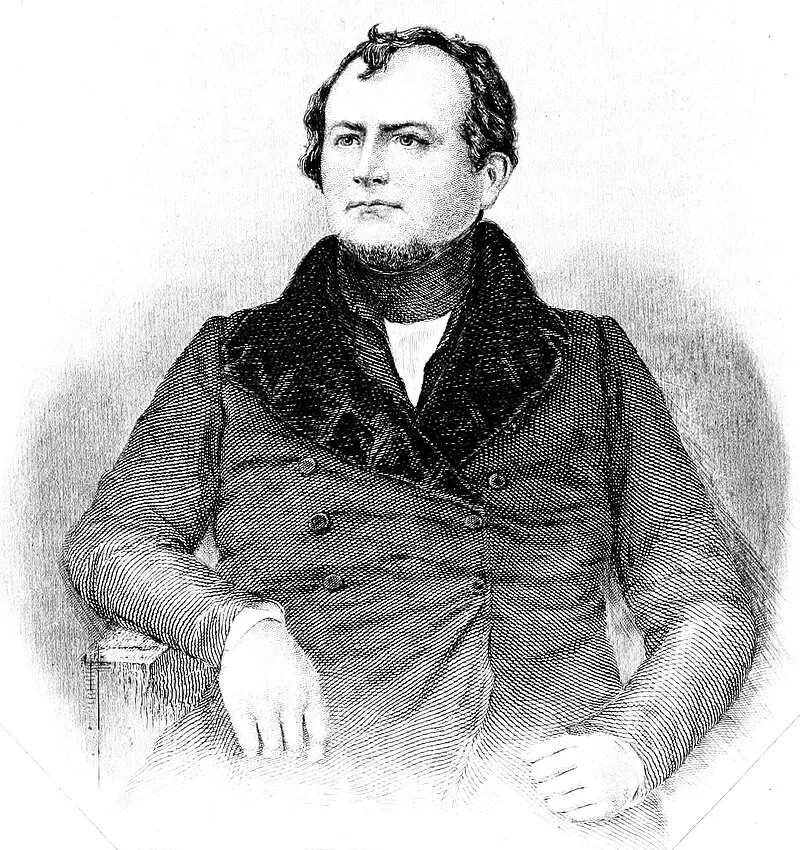 Photo of Thomas Wilson Dorr, via Wikidata/Wikimedia Commons
The Man Who Decided to Just Start a New Government
Dorr was a lawyer, a reformer, and a man with what can generously be described as an extremely ambitious interpretation of democratic principles. When the existing legislature refused to modernize the state's voting laws, Dorr and his supporters did something audacious: they organized their own constitutional convention, drafted their own constitution — the People's Constitution — and held their own ratification vote, open to all white male residents regardless of property ownership.
The new constitution passed with broad popular support. Dorr's movement declared it legitimate. The existing state government declared it illegal. And then, in May 1842, both sides decided to act as if they had won.
Dorr was inaugurated as governor under the People's Constitution. The sitting governor, Samuel Ward King, remained in office under the royal charter. Rhode Island now had two governors, two legislatures, and two sets of officials all claiming the authority to run the same state.
 Photo: Samuel Ward King, via www.kurtshistoricsites.com
Two Governments, One Very Confused Population
What followed was less a battle and more an extended game of governmental chicken.
Governor King declared martial law and requested federal assistance from President John Tyler, arguing that a domestic insurrection was underway. Tyler expressed sympathy but stopped short of sending troops, essentially telling Rhode Island to sort itself out.
Dorr's government, meanwhile, attempted to seize the state arsenal in Providence — a move that went badly when his cannons misfired and most of his supporters went home. The rebellion deflated almost as quickly as it had inflated. Dorr eventually fled the state, was later arrested, convicted of treason, and sentenced to life in prison (a sentence that was quietly commuted within a year).
But here's what makes the story genuinely strange: before the whole thing collapsed, there was a real, functional period where both governments were issuing directives, both claiming tax authority, and both threatening to arrest officials from the other side. Citizens had to make a practical choice about which government they were going to cooperate with. Some towns split. Neighbors disagreed. Nobody was entirely sure what the legal consequences of their choice might be.
The Supreme Court's Very Strategic Shrug
You might expect the Supreme Court to step in and clarify which government was legitimate. You would be wrong.
When a related case — Luther v. Borden — finally reached the Court in 1849, the justices essentially invented a legal escape hatch. They ruled that determining which of two competing governments was the legitimate one was a "political question" — meaning it wasn't the Court's job to decide. That responsibility, they said, fell to Congress and the executive branch.
It was a landmark dodge. The Court had just established that some questions were too politically messy for the judiciary to touch, a doctrine that would echo through American law for generations. Rhode Island's constitutional chaos, in other words, didn't just create a bizarre historical footnote — it accidentally shaped how the Supreme Court defines its own limits.
The Aftermath Nobody Expected
The strangest part of the whole episode? Dorr's side arguably won.
Although Dorr himself ended up convicted and briefly imprisoned, the existing Rhode Island government — rattled by how close the rebellion had come to genuine chaos — quietly drafted a new state constitution the same year. It dramatically expanded voting rights, eliminating most property requirements. The very reform that the ruling class had resisted for decades was implemented almost immediately once they realized how badly the old system could backfire.
Rhode Island had two governments for a few months, nearly arrested its own officials, baffled the Supreme Court, and then — almost sheepishly — implemented the changes that started the whole mess in the first place.
Somewhere in there is a lesson about the stubbornness of institutions. Or maybe just a reminder that the smallest state has always had an outsized talent for making things complicated.