Killed in Action, Present at the Funeral: The WWII Soldiers the Army Forgot Were Alive
The Letter Nobody Wants to Receive
In the 1940s, a telegram from the War Department was the most feared piece of mail in America. Families knew what it meant before they finished reading the first line. Sons, husbands, brothers — reduced to a few formal sentences and a date of death.
For most families, that telegram was the beginning of grief. For a small, haunting number of them, it was the beginning of something far stranger: a bureaucratic nightmare in which the United States military had to be slowly, painstakingly convinced that the man it had officially killed was still alive and would like his records updated, please.
How the Army Lost Track of Its Own Soldiers
World War II was the largest military mobilization in American history. By peak deployment, more than 12 million Americans were in uniform, spread across multiple continents, moving constantly, fighting in conditions where communication was unreliable and record-keeping was handled by exhausted clerks under pressure.
The system for tracking casualties was, by necessity, imperfect. Soldiers were reported dead based on eyewitness accounts from fellow servicemen, dog tag recoveries, or simply the failure to appear after a battle. In the chaos of combat — particularly in places like the Pacific theater or the European front during rapid advances and retreats — a man could be separated from his unit, taken prisoner, wounded and evacuated without proper documentation, or simply lost in the administrative shuffle.
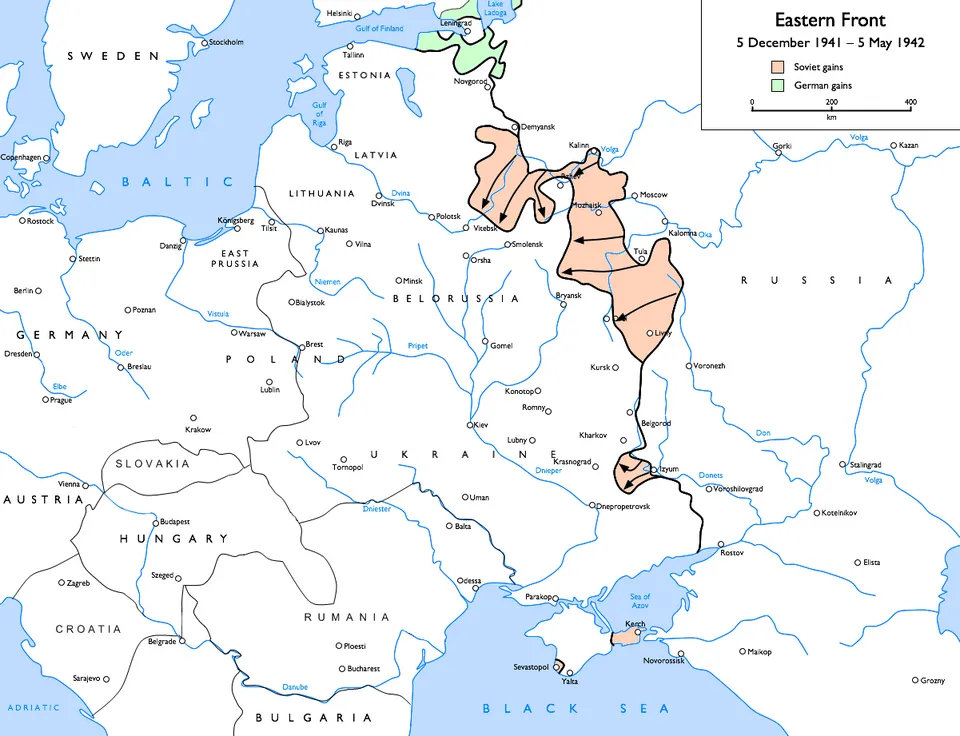 Photo: European front, via upload.wikimedia.org
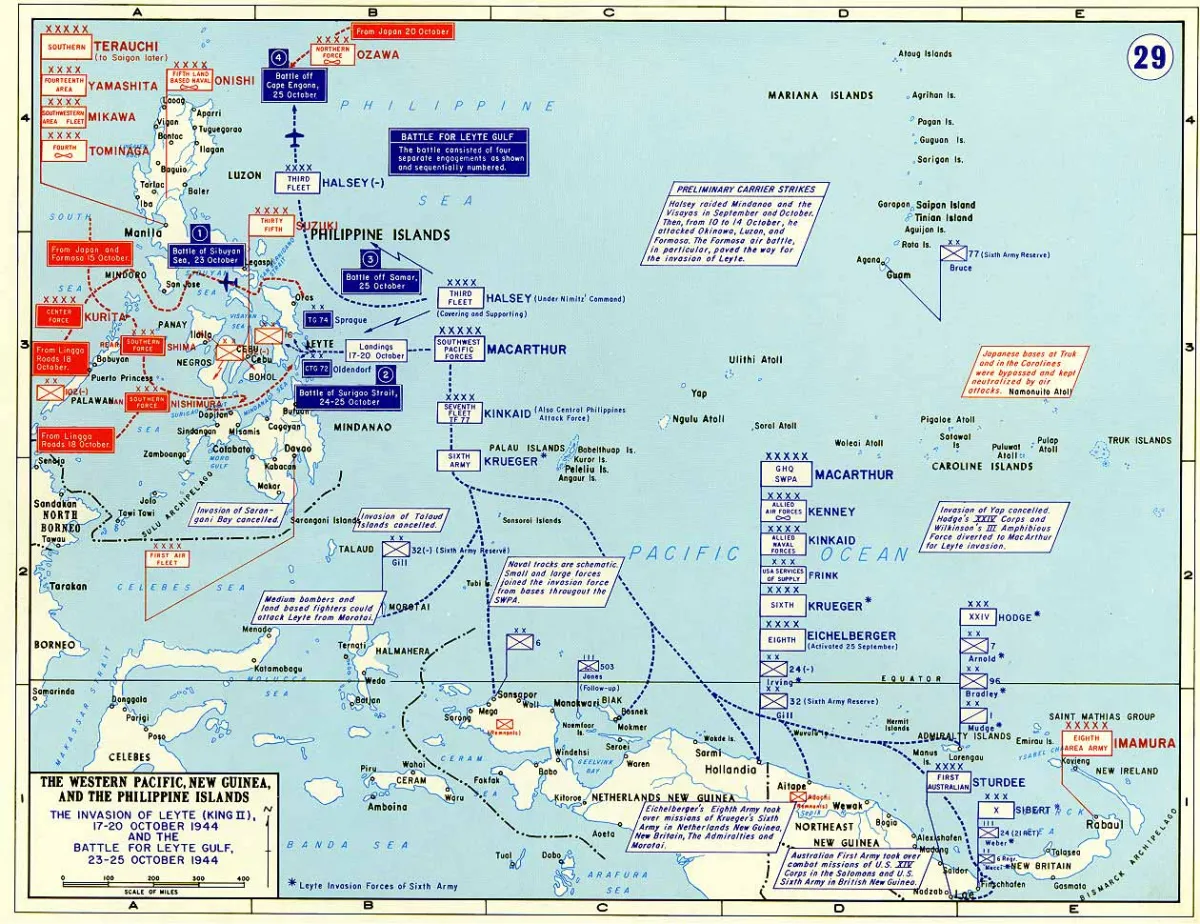 Photo: Pacific theater, via images.squarespace-cdn.com
Most of the time, errors were caught quickly. But sometimes they weren't.
The Man Who Came Home to His Own Funeral
The specific details vary across documented cases, but the pattern is consistent and deeply unsettling. A soldier goes missing during combat. His unit reports him as killed. The report travels up the chain of command. A clerk processes it. The War Department generates a notification. A family receives the news.
What happens next, in the cases where the soldier survived, is a collision between human reality and bureaucratic momentum.
Families made arrangements. In some cases, memorial services were held. Neighbors offered condolences. Mothers wore black. And then — weeks, sometimes months later — a letter arrived from a POW camp, or a hospital, or the soldier himself walked through the front door, confused by the expressions on his family's faces.
The moment of reunion should have been pure relief. And it was — briefly. Then came the paperwork.
Convincing the Government You're Not Dead
Here's the part that sounds like a dark comedy but was, for the men involved, genuinely maddening: being declared dead by the U.S. military created a cascade of official records that didn't simply disappear when you showed up in person.
Pay had been stopped. In some cases, life insurance had already been processed. Official records listed a date of death. Undoing all of this required navigating a military bureaucracy that was simultaneously trying to manage an active global war and had limited institutional appetite for admitting it had made a mistake.
Some soldiers reported that their own commanding officers initially struggled to get the corrections processed. The paperwork to declare someone dead was, it turned out, significantly easier to generate than the paperwork to un-declare them dead. Death, administratively speaking, had a certain finality that life found difficult to argue with.
In at least some documented cases, soldiers were required to provide extensive testimony — essentially proving their own existence to the satisfaction of military administrators. They needed witnesses. They needed documentation. They needed, in the most literal sense, to make a case for their own continued presence on earth.
The Families Caught in Between
For the families, the emotional whiplash was its own kind of injury.
Grief, it turns out, doesn't simply reverse itself. Families who had spent weeks or months processing the death of someone they loved couldn't immediately reset. Some wives had begun the process of widowhood. Some parents had told younger siblings their brother wasn't coming home. The sudden reappearance of a living soldier didn't erase the weeks of mourning — it complicated them in ways that nobody had a framework to address.
The military's response to these situations was largely administrative rather than emotional. Corrections were made. Records were updated. The machinery moved on. There was no formal acknowledgment of what the error had cost the families involved, no protocol for the psychological aftermath of being told your son was dead and then discovering he wasn't.
A Pattern the Records Quietly Confirm
These cases were never common enough to constitute a crisis, and the military's overall casualty reporting system was, by the standards of the era, remarkably functional given its scale. But they were common enough to be documented, common enough that military historians have catalogued multiple instances, and common enough to reveal something important about the relationship between institutions and individuals during wartime.
Large systems make large numbers of decisions. Most of those decisions are correct. The ones that aren't can be corrected — eventually, with effort, with documentation, with persistence. But the correction never quite undoes the original error. A family that grieved for six weeks doesn't get those six weeks back. A soldier who had to argue for his own existence carries that experience with him.
The paperwork gets fixed. The rest is more complicated.
The Odd Footnote
Perhaps the strangest detail in these cases is how thoroughly the military's records, once corrected, erased all evidence that the error had occurred. Updated files showed living soldiers as living. There was no annotation, no asterisk, no administrative acknowledgment that the system had briefly, convincingly, killed a man who was still walking around.
For the soldiers themselves, it became one of those war stories that nobody quite believed — the one where you had to prove you were alive, where the government's paperwork was more certain of your death than you were, where bureaucracy briefly won an argument with reality.
They won, eventually. They just had to do more paperwork than most people to manage it.