The Obituary That Arrived Before the Death Did: A Kentucky Newsroom's Most Haunting Mistake
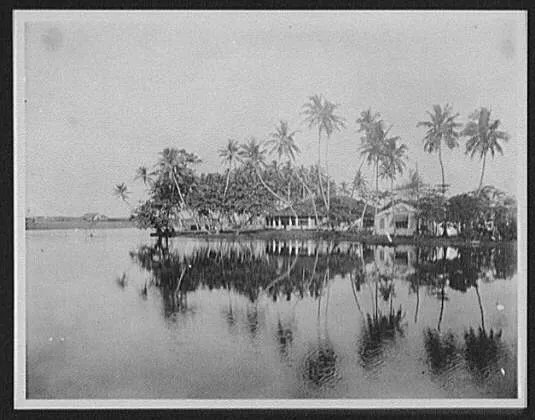
Photo: William Henry Jackson, Public domain, via Wikimedia Commons
The Obituary That Arrived Before the Death Did: A Kentucky Newsroom's Most Haunting Mistake
Newspapers have always had a complicated relationship with death. They document it, announce it, contextualize it — and, for as long as there have been newspapers, they have quietly prepared for it in advance. The practice of writing obituaries ahead of time, ready to publish the moment a notable person passes, is one of journalism's most pragmatic and least discussed traditions. It is also, depending on who you ask, either professionally responsible or genuinely tempting fate.
A small Kentucky weekly learned that lesson in 1897, in a way nobody in the newsroom ever forgot.
The Drill That Went Wrong
The paper's name and exact location have blurred across more than a century of retelling, as small-town Kentucky weeklies of the 1890s were not always scrupulous about preserving their own archives. What the historical record does preserve — through regional journalism histories and accounts collected by contemporaries — is the broad shape of what happened.
The editor, a man well-known in his community and apparently in declining health, had been the subject of a quiet internal exercise. Someone on the compositing staff — the people responsible for physically arranging type and laying out each edition — had drafted a practice obituary as a typesetting drill. This was not an unusual thing to do. Compositors needed material to practice with, and using real names and local details made the exercise more realistic than dummy text.
The intention was clear: run the type, check the layout, then pull it before the edition went to press. A routine exercise. Something done and then undone.
Except it wasn't undone.
Exactly how the miscommunication happened is the kind of detail that gets murkier with each retelling. Some accounts suggest a new press operator didn't know the piece was practice material. Others indicate a lapse in the final review process — a page signed off on by someone who hadn't been told about the drill. Whatever the mechanism, the edition went out with the obituary intact, distributed to subscribers and dropped at the general store and the post office and every other place where a small Kentucky town received its weekly news.
The Morning the Town Went Quiet
The editor died that morning.
Not before the paper arrived. Not days later, in a way that might have made the whole thing feel less uncanny. He died of a heart attack on the same morning his neighbors sat down to read his obituary over breakfast — a coincidence so precise and so terrible that the community's reaction, by all accounts, was something close to stunned silence.
There is no clean record of how his family learned about the obituary, or in what order the news of his death and the news of the published notice reached different parts of town. What is documented is the community's collective unease — a feeling that something had happened that did not fit neatly into any category of experience most people had.
The paper's staff, for their part, was reportedly shattered. The guilt of having published the piece — even accidentally, even without any way to have known — was not something that dissolved quickly. In a small town, where everyone knew everyone, the fact that the editor's death notice had been in print before he was actually dead was the kind of thing people talked about for years.
The Superstition That Runs Through Every Newsroom
Journalism has a word for pre-written obituaries: "advancers" or, more commonly, just "advances." Major newspapers keep files of them for hundreds of public figures — politicians, celebrities, world leaders, anyone whose death would require immediate, detailed coverage. When Queen Elizabeth II died in 2022, the BBC and every major American outlet had polished, comprehensive obituaries ready within minutes. Those pieces had been in preparation for years.
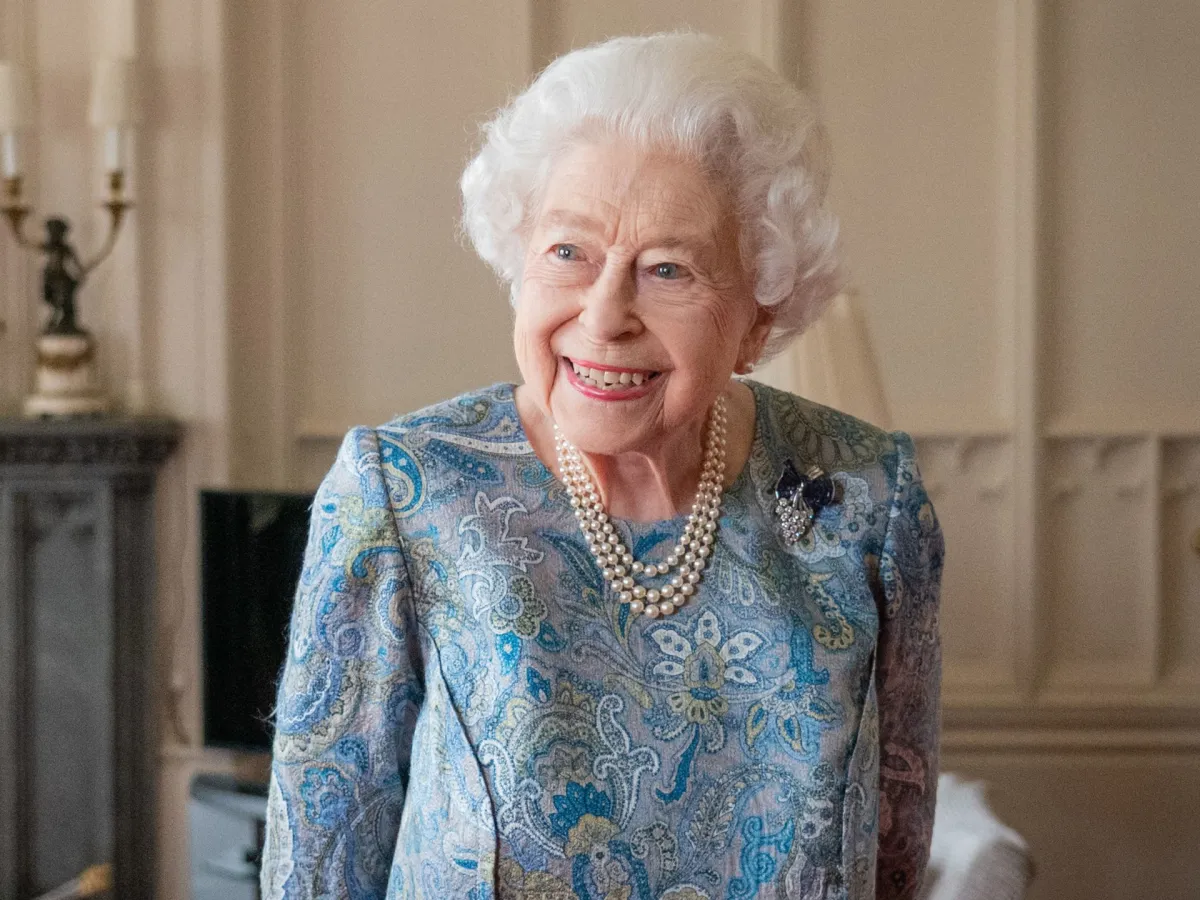 Photo: Queen Elizabeth II, via www.aljazeera.com
The practice is defensible on pure logistics grounds. There is simply no way to write a thorough, accurate obituary for a major figure in the hours immediately following their death. Advances allow journalists to do careful, unhurried work in advance so that readers get something worthy of the moment rather than something rushed.
But the practice has always carried a quiet unease. Journalists who work on advance obituaries often describe a strange feeling — writing about someone's life in past tense while that person is still very much alive, still giving interviews, still appearing in public. Some reporters have described the experience as vaguely transgressive, like reading someone's mail.
And then there are the accidents. The Kentucky incident of 1897 is the most dramatic on record, but it is not the only time an advance obituary has reached print prematurely. In 1897, the same year as the Kentucky incident, a wire service briefly transmitted a premature obituary for Mark Twain — which prompted his famous, possibly apocryphal reply that reports of his death had been greatly exaggerated. In 2003, CNN's website accidentally published draft obituaries for several living public figures, including Dick Cheney and Nelson Mandela, due to a technical error. In 2012, the journalist who wrote a practice obituary for a colleague accidentally emailed it to the entire newsroom.
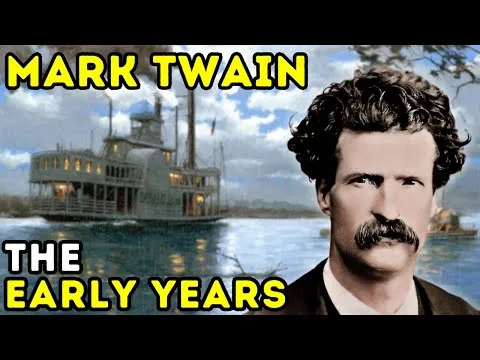 Photo: Mark Twain, via img.youtube.com
None of those incidents ended the way the Kentucky story did. But they kept the conversation alive.
What the Story Won't Let Go Of
The 1897 Kentucky case endures not because it proved anything — coincidences, however eerie, do not prove causation — but because it captures something genuinely difficult to shake. The idea that a piece of paper got there first. That the town read the ending before it happened.
Modern journalists tend to be skeptical people by professional training. Superstition is not supposed to be part of the toolkit. And yet the advance obituary question — whether to write them, how to handle them, who should know they exist — remains one of the few areas where journalism culture permits something close to unease.
Some reporters flatly refuse to work on them. Others treat the assignment with a particular care that goes beyond professional thoroughness. A few newsrooms have informal customs around the files — kept in specific places, reviewed on specific schedules, handled with a low-grade awareness that the subject is still out there somewhere, alive and unaware.
The Kentucky editor never knew his obituary had been set in type. He never had the chance to be unsettled by it, or to make a dark joke about it at the next staff meeting, or to demand that whoever was responsible buy the first round.
The town knew, though. And for a long time afterward, they probably thought twice before opening the paper.