The Spite Plate That Conquered America: How One Chef's Frustration Invented the Potato Chip

Photo: CNEcija12345, CC BY-SA 4.0, via Wikimedia Commons
The Spite Plate That Conquered America: How One Chef's Frustration Invented the Potato Chip
Every great American invention has an origin story. The telephone, the lightbulb, the assembly line — each comes with a founding moment, a flash of genius, a name attached to a breakthrough. The potato chip's origin story has all of those things, except for the genius part. What it has instead is a disgruntled cook, a difficult customer, and a plate of food designed specifically to be uneatable.
And somehow, that became the snack that Americans consume more than any other.
Saratoga Springs, 1853
The setting was Moon's Lake House, a fashionable resort in Saratoga Springs, New York — at the time one of the most popular summer destinations for wealthy Americans looking to take the waters, gamble, and eat well. The cook in question was George Crum, a man of mixed Mohawk and African American heritage who had built a reputation as one of the best chefs in the region.
 Photo: Saratoga Springs, via c8.alamy.com
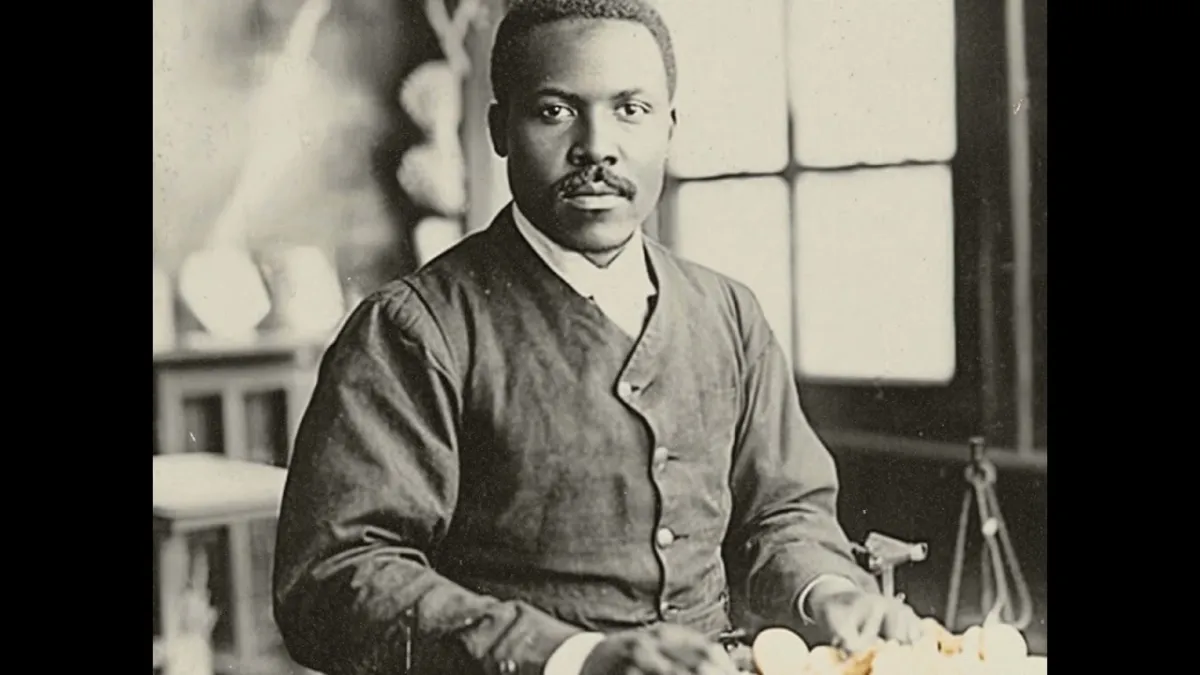 Photo: George Crum, via i.ytimg.com
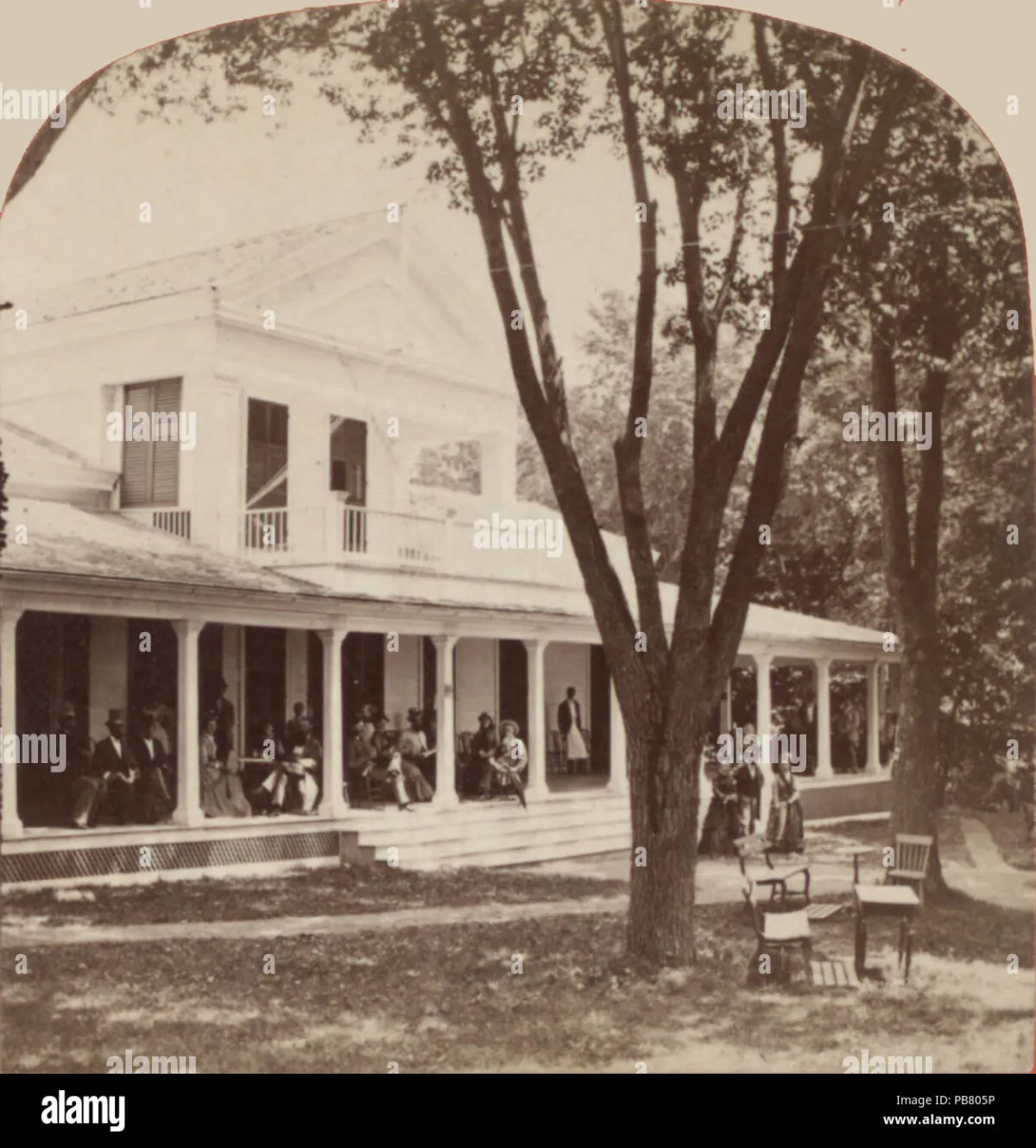 Photo: Moon's Lake House, via c8.alamy.com
The customer — identified in most accounts as Cornelius Vanderbilt, though that attribution is disputed — kept sending his fried potatoes back to the kitchen. Too thick, he complained. Not crispy enough. The dish, essentially an early version of french fries, wasn't meeting his standards.
Crum, by most accounts, was not a patient man.
After one return too many, he reportedly grabbed a knife and sliced a fresh batch of potatoes so thin they were nearly translucent, fried them until they were rigid and impossible to eat with a fork, salted them aggressively, and sent them back out. The intent, if you believe the legend, was to serve something so extreme it couldn't possibly be complained about — because it couldn't possibly be eaten politely.
The guest loved them.
The Problem With a Perfect Origin Story
Here is where history gets inconvenient. The Crum story is compelling, widely repeated, and almost certainly at least partially true — but it is also contested in ways that deserve more attention than they usually get.
For starters, Vanderbilt's presence at the table is disputed. Some historians believe the difficult customer was a different wealthy guest entirely, and that Vanderbilt's name got attached to the story later, possibly because it made for better telling. Vanderbilt was famous. An anonymous complainer is less memorable.
More significantly, Crum's own niece, Catherine Wicks, claimed in later years that she was actually the one who invented the thin-sliced chip — that she had accidentally dropped a potato slice into the fryer and, upon tasting the result, encouraged her uncle to add it to the menu. Crum himself, in interviews later in his life, was not particularly emphatic about the spite-plate version of events. He seemed more interested in his career as a whole than in defending any single dish.
And then there is the inconvenient fact that recipes for thin-fried potato slices appear in cookbooks predating 1853. A British cookbook from 1817 includes something remarkably similar. Whether those recipes crossed the Atlantic and influenced American cooking, or whether the chip was genuinely reinvented independently in that Saratoga kitchen, is impossible to say with certainty.
What is certain is that the dish Crum served — whatever its precise origin — became famous almost immediately.
From Resort Novelty to National Obsession
Crum eventually opened his own restaurant, where a basket of the chips sat on every table as a signature item. Guests who visited Saratoga Springs brought the idea home with them. The chips spread through New York, then New England, then across the country — initially as a restaurant item, a treat you ordered rather than bought.
The transformation into a packaged snack came much later, and it required a second accidental innovation. For decades, chips were made and sold locally, often going stale quickly because no one had figured out how to package them effectively. The bags of chips we recognize today — sealed, shelf-stable, sold in grocery stores — only became possible in the 1920s when entrepreneurs began experimenting with wax paper packaging and mechanical slicers that could produce consistent cuts at scale.
Laura Scudder, a California businesswoman, is often credited with pioneering the sealed bag in the late 1920s, which extended shelf life enough to make mass retail viable. From there, the industry grew with startling speed. Lay's, founded in the 1930s, eventually became the dominant national brand. By the mid-20th century, the potato chip had moved from regional novelty to American staple.
Today, Americans consume roughly 1.85 billion pounds of potato chips per year. The industry is worth more than $10 billion annually. There are entire aisles dedicated to the chip and its many descendants — kettle-cooked, ridged, flavored, baked, made from things that are not potatoes at all but are shaped like they might be.
What the Spite Plate Actually Tells Us
The honest version of the potato chip's origin is not a single dramatic moment but a gradual accumulation of accidents, adaptations, and arguments. Crum may have made the dish famous. His niece may have discovered it first. Someone in Britain may have gotten there before either of them. The difficult customer may or may not have been Vanderbilt.
None of that diminishes what actually happened, which is this: a snack food born from frustration, improvisation, and the specific chaos of a busy resort kitchen somehow became the defining American munch. It survived a disputed origin, decades of regional obscurity, and the logistical challenge of keeping fried potato slices edible long enough to sell them.
George Crum, whatever his precise role, deserves credit for at least this: he made something out of spite, and it outlasted everything.