The Taxman Came for a Beard — and Almost Won
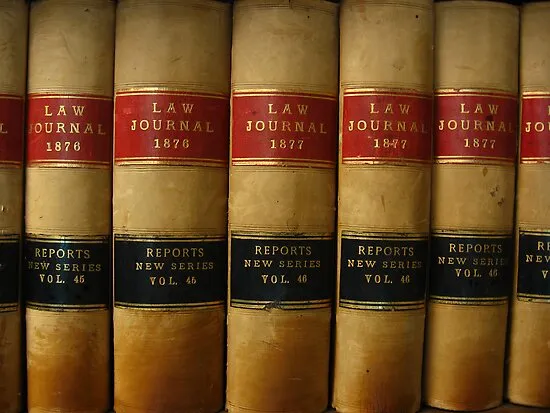
Photo: vintage 1800s courthouse legal documents old American law books, via ih0.redbubble.net
Most people, when they think about the strangest things the U.S. government has ever tried to tax, land somewhere around window taxes, or maybe the brief 18th-century British experiment with taxing wallpaper. What they don't think about is a federal court in Ohio in the 1850s ruling that a man's beard — the one growing directly on his face — was a legally attachable professional asset subject to government lien.
And yet.
A Debt, a Dispute, and a Very Unfortunate Beard
The story begins, as so many American legal disasters do, with someone who owed money and someone else who very much wanted it back.
The man at the center of this particular chaos was a traveling portrait artist operating across rural Ohio in the 1850s — a profession that, in an era before photography became widely accessible, was a legitimate and sometimes lucrative trade. He had accumulated debts, failed to pay them, and attracted the attention of a creditor determined to collect through whatever legal mechanism was available.
Under the debt collection laws of the period, creditors could pursue a debtor's professional assets — the tools and instruments of their trade — as a means of satisfying what was owed. This was standard practice and largely unremarkable. The problem arose when the creditor's attorney, working through a local tax assessor and a federal circuit court, began constructing an unusually creative argument about what, exactly, constituted a professional asset for a portrait artist.
The argument went something like this: the artist's income derived substantially from his reputation and recognizability. His reputation was tied to his public persona. His public persona was, in no small part, anchored to a distinctive and well-known beard that clients used to identify him and that appeared in his own promotional materials. Therefore, the beard was a professional instrument — and like any professional instrument, it could be assessed as a taxable asset and placed under lien as collateral against his unpaid debts.
The Court That Said Yes
What makes this story remarkable is not that someone made the argument. Desperate creditors' attorneys have made strange arguments throughout American legal history. What makes it remarkable is that a federal circuit court, apparently taking the matter seriously, agreed.
The ruling, documented in Ohio court records from the period, held that the beard — insofar as it functioned as a recognizable element of the artist's professional trade and had been used in commerce — could be classified as an asset tied to the exercise of his profession. This placed it, at least theoretically, under the same legal framework as his brushes, his canvas, and his paints.
The government's interest was formal and documented. A lien was issued. A bailiff was dispatched to assess and record the asset in question.
At this point, the story takes its most absurd turn.
The Razor That Beat the Bailiff
Sometime between the issuance of the lien and the arrival of the bailiff sent to document the asset, the artist shaved.
Not symbolically. Not as a legal maneuver — or at least, not one he ever admitted to. He simply shaved his beard, and by the time the court's representative arrived to formally record the taxable property, there was nothing there to record.
This created an immediate and genuinely puzzling legal problem. The lien had been issued against a specific, identified asset. That asset no longer existed in the form that had been assessed. The beard was gone. The creditor's attorney argued that the lien should still apply — that the potential for the beard to exist constituted an ongoing professional asset. The circuit court, perhaps recognizing that it had already gone far enough down this particular road, declined to follow that argument any further.
The lien was voided. The ruling was effectively reversed by the simple act of a man and his razor.
Why This Matters Beyond the Absurdity
It would be easy to file this one away as a curiosity and move on. But the case actually reflects something genuine about the growing pains of American property and tax law in the mid-19th century — a period when the legal system was actively trying to figure out where the boundaries of "property" and "professional assets" actually sat.
The courts of that era were grappling with questions that didn't have clean answers yet. Could a reputation be taxed? Could a skill? Could the physical characteristics that made someone professionally recognizable be treated as instruments of trade? These weren't entirely frivolous questions — they were early, awkward attempts to define concepts that courts are still, in more sophisticated forms, working through today.
Intellectual property law, personality rights, and the legal status of a person's image and likeness all have distant roots in exactly this kind of messy, strange, 19th-century legal experimentation.
The Ohio beard case is just the version where the whole thing got weird enough to be funny.
The Asset That Walked Away
The artist, for his part, reportedly left Ohio shortly after the case resolved, moving west and eventually dropping out of the documentary record entirely. Whether he grew the beard back is not recorded.
The creditor, presumably, found another way to collect — or didn't. The federal circuit court moved on to less follicle-related matters. And somewhere in the archived records of mid-century Ohio jurisprudence, a ruling sits that once, briefly, placed a man's face under government lien.
The taxman came for the beard. The beard won.
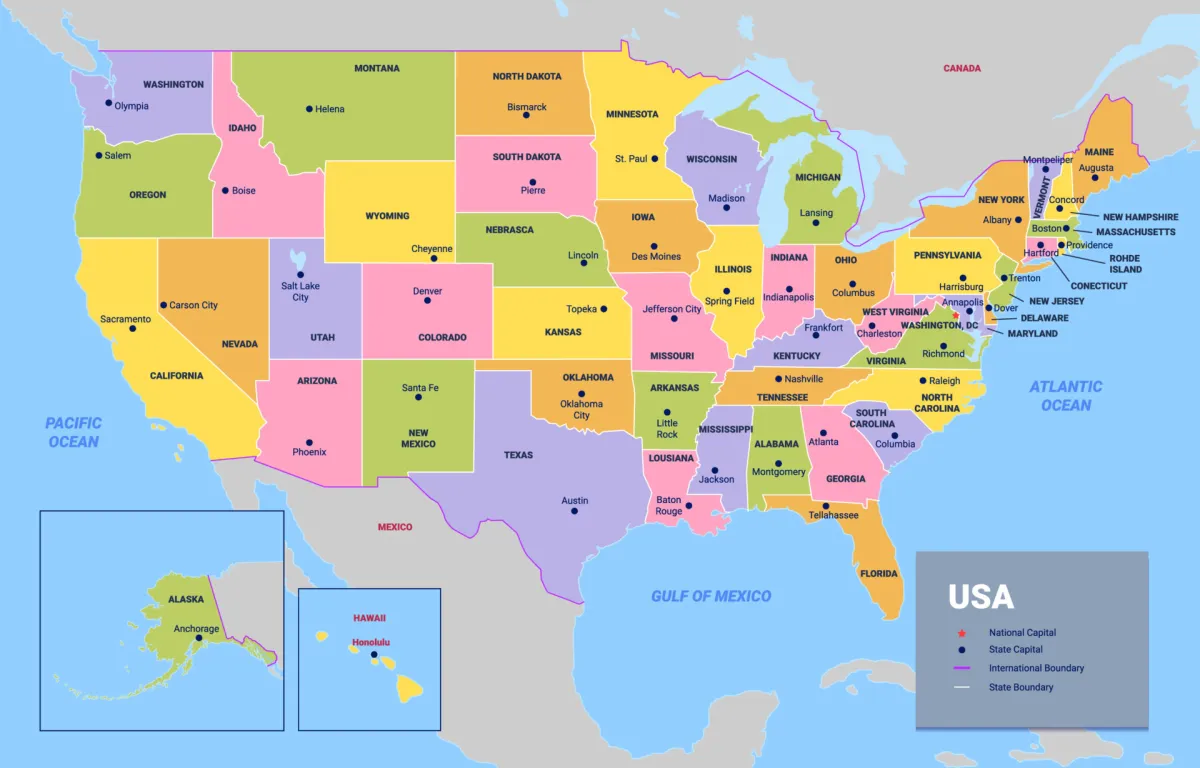 Photo: United States, via static.vecteezy.com