The Pig That Nearly Changed History
On the morning of June 15, 1859, Lyman Cutlar stepped outside his cabin on San Juan Island to find a large black pig rooting through his potato garden. It wasn't the first time. For weeks, the same pig had been wreaking havoc on his crops, and Cutlar had reached his limit. He grabbed his rifle and shot the animal dead.
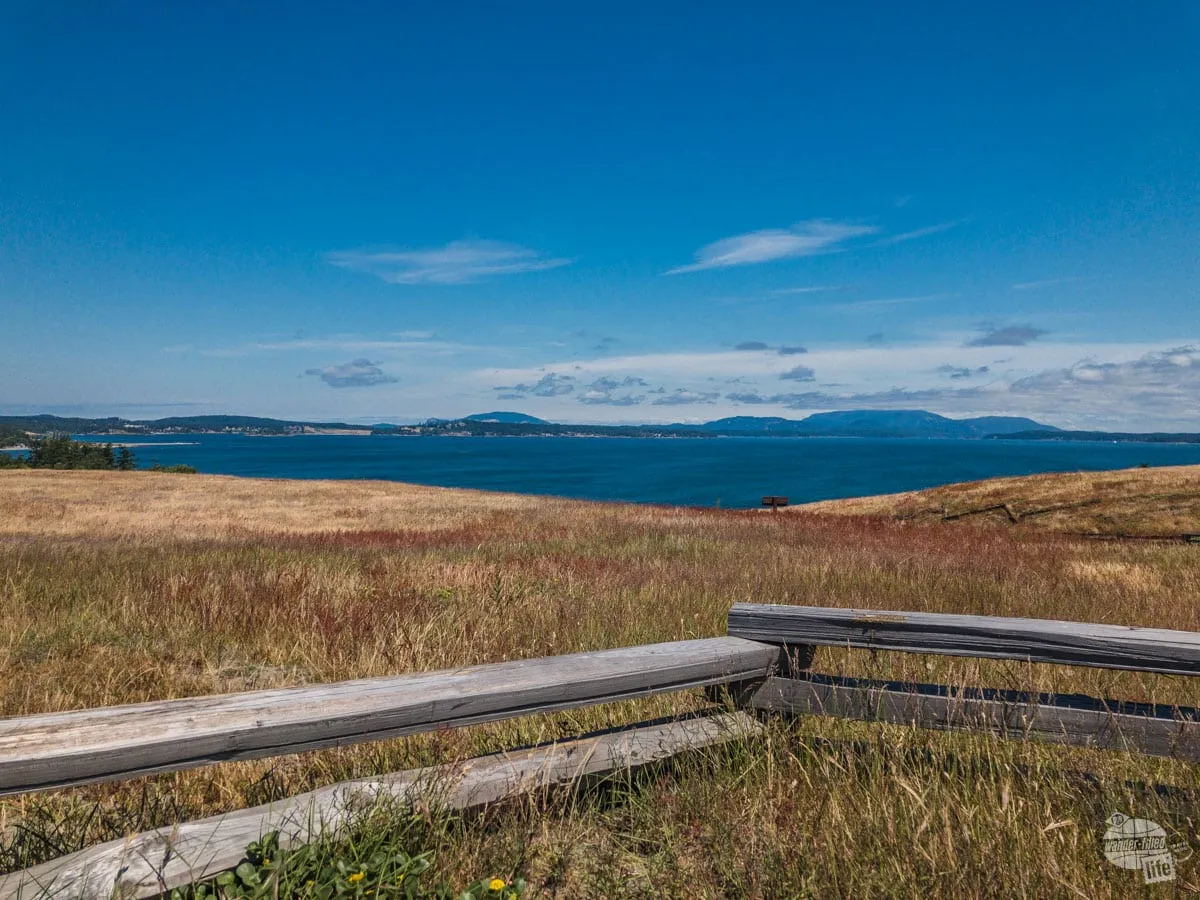 Photo: San Juan Island, via wanderfilledlife.com
It was a decision that would bring two nations to the brink of war.
What Cutlar didn't fully appreciate in that moment of agricultural frustration was that his potato patch sat in the middle of one of the most diplomatically volatile pieces of real estate in North America. San Juan Island, nestled between the Washington Territory and British-controlled Vancouver Island, belonged to nobody and everybody, depending on which map you consulted.
The Boundary That Wasn't
The trouble had been brewing since 1846, when the Oregon Treaty attempted to settle the border between American and British territories in the Pacific Northwest. The treaty seemed straightforward: the boundary would follow the 49th parallel to "the middle of the channel which separates the continent from Vancouver's Island."
The problem was that nature hadn't consulted the diplomats. Between the mainland and Vancouver Island lay not one channel, but several, separated by a scattered archipelago of islands. The Americans claimed the boundary ran through Rosario Strait, which would give them control of San Juan Island. The British insisted it followed Haro Strait, which would keep the island under their jurisdiction.
For thirteen years, both sides had maintained an uneasy coexistence on the disputed territory. American settlers farmed the land while British authorities collected taxes. It was a recipe for conflict that only needed a spark.
That spark turned out to be a pig.
From Pork to Provocation
The pig Cutlar shot belonged to Charles Griffin, an employee of the Hudson's Bay Company — the British-chartered corporation that essentially governed much of what would become western Canada. Griffin was furious and demanded compensation. When Cutlar offered to pay ten dollars for the animal, Griffin scoffed, claiming the pig was worth a hundred.
The dispute escalated quickly. Griffin reported the incident to British authorities, who threatened to arrest Cutlar. Word spread among the American settlers, who sent urgent messages to military commanders in Washington Territory, claiming British forces were preparing to seize American citizens.
Brigadier General William S. Harney, commanding the Department of Oregon, responded with characteristic subtlety: he dispatched Captain George Pickett (who would later achieve fame at Gettysburg) with 64 soldiers to "protect American interests" on San Juan Island.
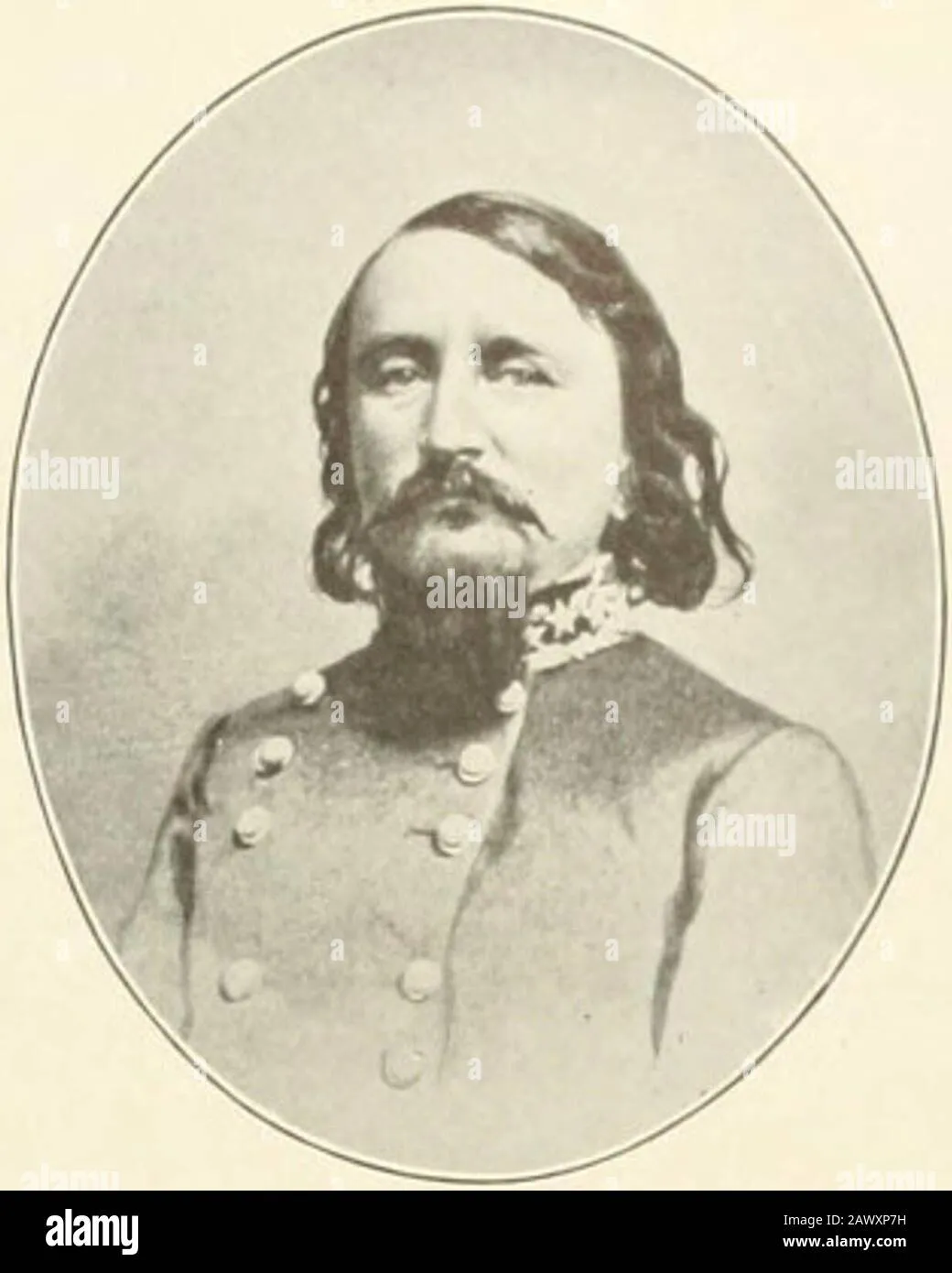 Photo: George Pickett, via c8.alamy.com
The Standoff Escalates
Pickett's arrival on July 27, 1859, transformed a property dispute into an international incident. The British response was swift and overwhelming. Captain Geoffrey Hornby of the Royal Navy appeared with the warship HMS Tribune, carrying 31 guns and 400 marines. Soon, two more British warships joined the flotilla.
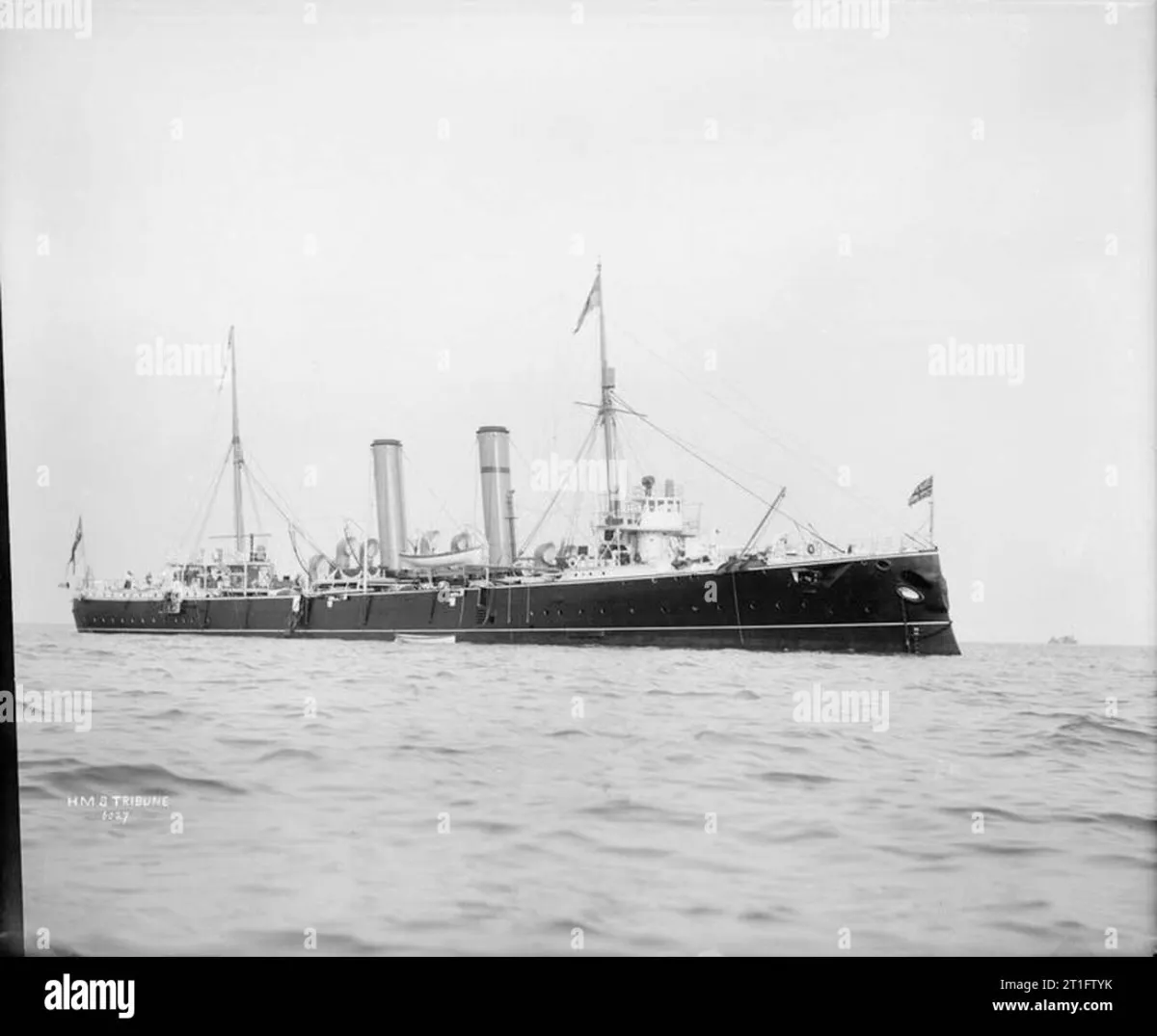 Photo: HMS Tribune, via c8.alamy.com
For several tense days, American soldiers and British marines faced each other across the beaches of San Juan Island, with naval guns trained on both camps. Local settlers found themselves in the surreal position of going about their daily business while two world powers prepared for battle over their vegetable gardens.
The absurdity of the situation wasn't lost on everyone involved. Rear Admiral Robert Baynes, commanding the British Pacific fleet, reportedly told his subordinates, "Two great nations in a war over a squabble about a pig? It would be laughable if it were not so serious."
Cooler Heads and Hot Tempers
News of the standoff took weeks to reach Washington D.C. and London, where government officials reacted with a mixture of alarm and bewilderment. President James Buchanan, already dealing with mounting tensions over slavery, had little appetite for a war with Britain over a dead pig. Queen Victoria's government was similarly disinclined to fight the Americans over what newspapers were already calling "The Pig War."
Both sides dispatched senior officials to defuse the situation. General Winfield Scott, the aging hero of the Mexican War, arrived to represent American interests, while Governor James Douglas spoke for the British. The two men, both veterans of previous Anglo-American tensions, quickly agreed that the situation had gotten completely out of hand.
The Resolution Nobody Wanted
By October 1859, Scott and Douglas had negotiated a face-saving compromise: both nations would maintain small military presences on San Juan Island while diplomats worked out the boundary question through proper channels. American and British soldiers would share the island, carefully avoiding each other while protecting their respective national honor.
This bizarre arrangement lasted twelve years. American and British troops maintained separate camps, held separate Fourth of July and Queen's Birthday celebrations, and occasionally shared drinks while studiously ignoring the diplomatic fiction that kept them there.
The boundary dispute was finally resolved in 1872, when Kaiser Wilhelm I of Germany, serving as arbitrator, awarded San Juan Island to the United States. The British garrison departed peacefully, ending the longest military standoff in American history.
The Pig That Changed Nothing
Lyman Cutlar never received compensation for his destroyed potato crop. Charles Griffin never got payment for his pig. The Hudson's Bay Company eventually abandoned its San Juan Island operations, and most of the American settlers moved on to more promising territories.
But for thirteen years, their petty dispute had kept two nations on the edge of war, proving that in diplomacy, as in farming, the smallest problems can have the largest consequences. The Pig War remains the only international conflict in American history where the only casualty was the animal that started it all.