The Business of Counting Americans
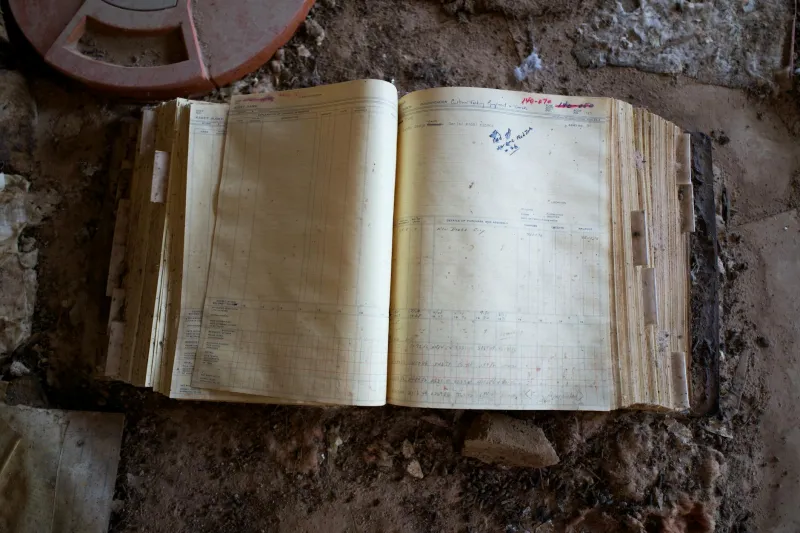
Every ten years, the United States government faces a monumental task: counting every person living within its borders. In 1880, this job fell to thousands of temporary workers who trudged through cities and rural counties, knocking on doors and recording names in thick ledger books. What the Census Bureau didn't anticipate was that paying these enumerators by the name would turn population counting into a creative writing exercise.
The 1880 Census marked the first time the federal government compensated census workers based on the number of people they recorded rather than paying flat daily wages. The logic seemed sound: more names meant more work, so counters should earn more money. In densely populated urban areas, this system worked reasonably well. But in the sprawling rural counties of the American West and South, where houses might be separated by miles of empty land, enterprising enumerators discovered they could supplement their income without wearing out their boots.
They simply invented Americans who had never been born.
The Fictional Families of Rural America
The scheme was surprisingly sophisticated. Rather than scribbling obvious fake names like "John Doe" or "Jane Smith," the fraudulent enumerators created entire believable communities. In remote areas of Nevada, Montana, and the Dakota Territory, census records began filling up with multi-generational families complete with realistic names, ages, occupations, and relationships.
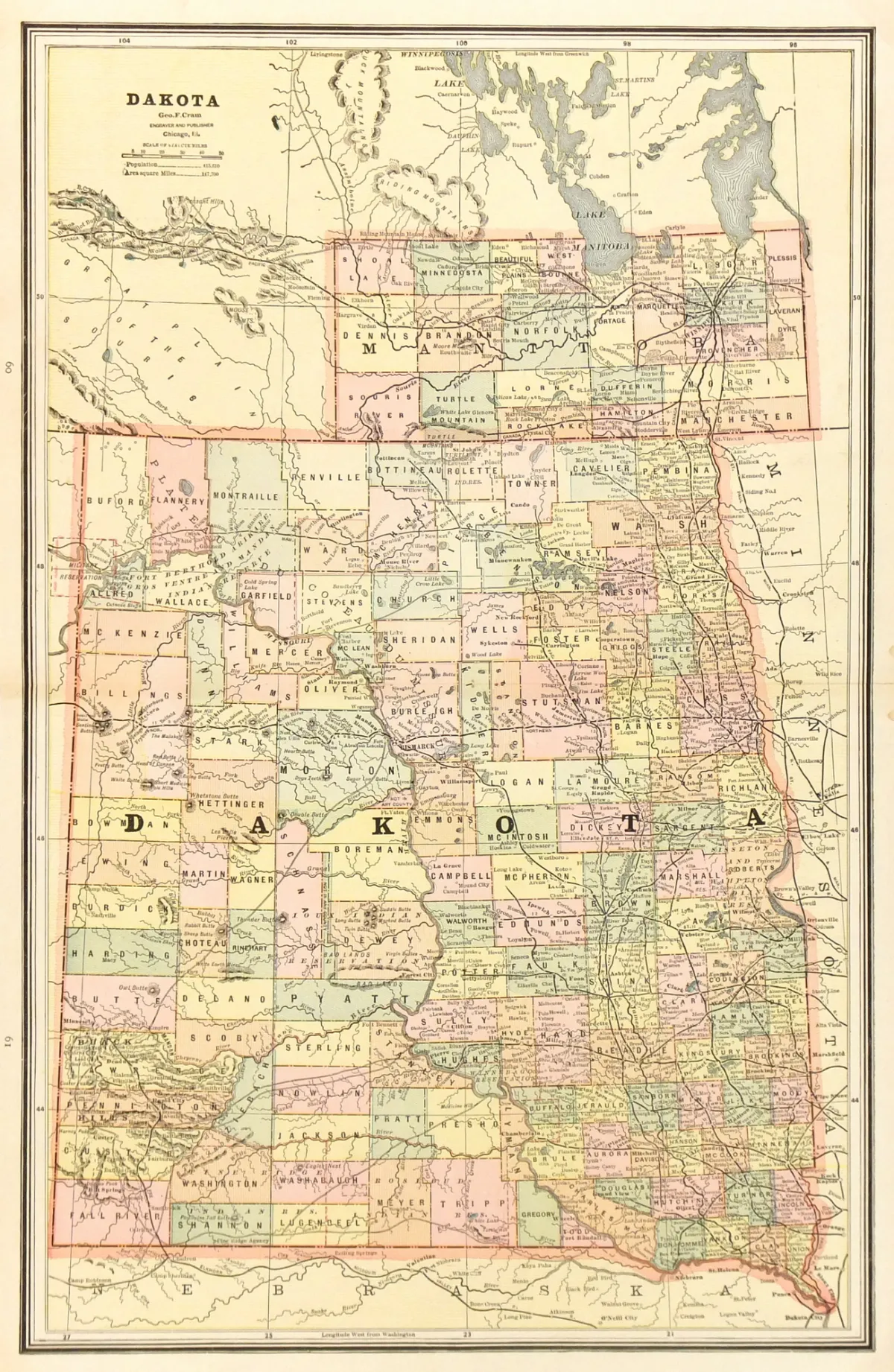 Photo: Dakota Territory, via mapsandart.com
The Johnson family of fictional Mineral County, Nevada, serves as a perfect example. According to the 1880 Census, patriarch William Johnson, age 47, worked as a cattle rancher alongside his wife Mary, 43, and their six children ranging in age from 8 to 24. The older sons were listed as ranch hands, the daughters as keeping house, and the youngest boy as attending school. The family even had a hired hand, Patrick O'Brien, 19, from Ireland.
None of these people existed.
What made the fraud so effective was the enumerators' attention to demographic detail. They understood that government reviewers would look for statistical anomalies, so the fake populations they created matched expected patterns. Rural counties got farming families. Mining territories got young single men. Areas near railroad construction got temporary workers with Irish and German surnames.
When Fiction Becomes Federal Fact
The immediate consequences of the fraud were both significant and invisible. Congressional representation was allocated based on census counts, meaning that states with inflated populations received additional seats in the House of Representatives. Federal funding for post offices, military installations, and infrastructure projects flowed to areas that appeared more populated than they actually were.
Montana Territory provides the most dramatic example. The inflated 1880 census count helped justify its admission to statehood in 1889, despite having a real population that may have fallen short of the traditional threshold. For years, Montana's congressional delegation represented thousands of constituents who existed only on paper.
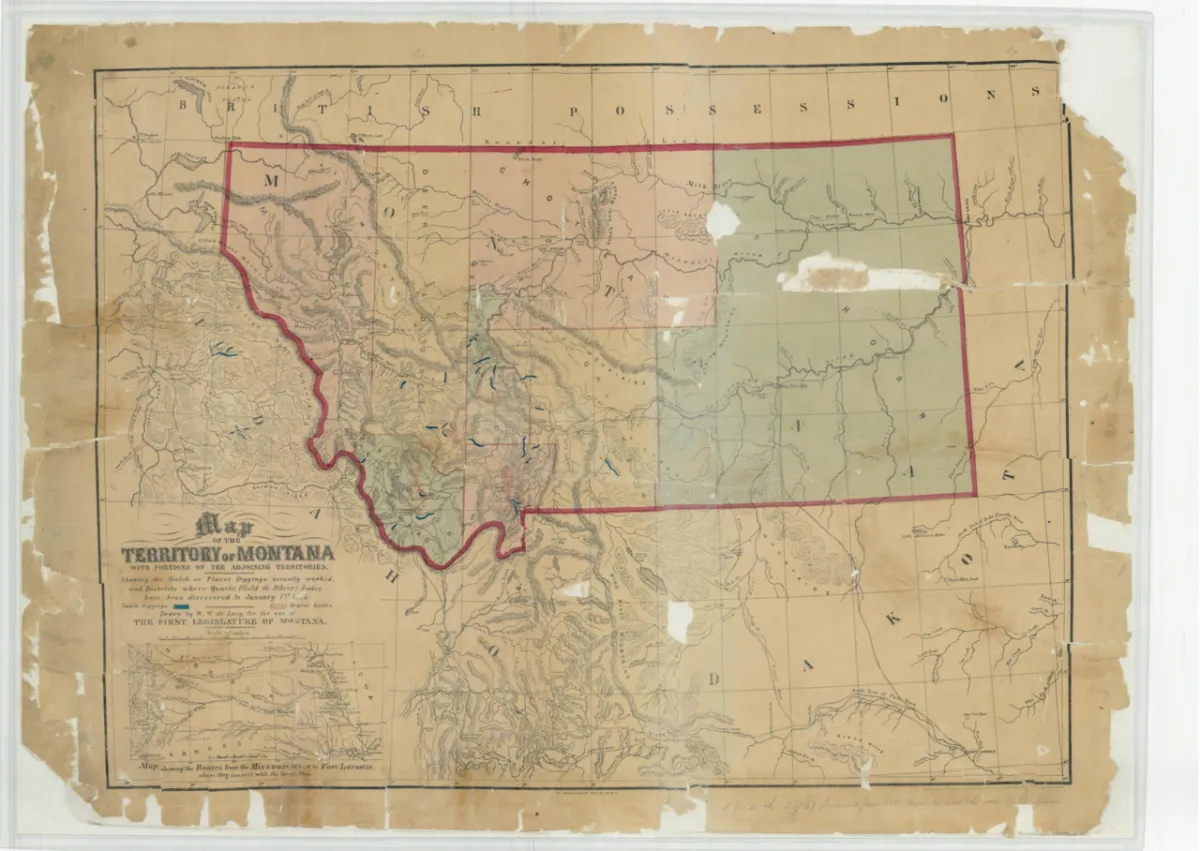 Photo: Montana Territory, via 68.media.tumblr.com
The fraud also created peculiar administrative headaches that nobody anticipated. When the 1890 Census began, enumerators in affected areas found themselves unable to locate many families that had been recorded just ten years earlier. Entire households had apparently vanished without a trace, leaving no forwarding addresses or death records.
The Unraveling of a Nationwide Deception
The scheme began to collapse in the early 1890s, not through systematic investigation but through bureaucratic accident. The Census Bureau had begun cross-referencing population data with other federal records — military registrations, postal routes, and tax collections — as part of an efficiency study.
The discrepancies were glaring. Counties that showed substantial population growth between 1870 and 1880 had postal revenues that remained flat. Areas with hundreds of new families had no corresponding increase in applications for homestead claims. Most tellingly, regions with the highest population growth rates also had the lowest rates of marriage licenses, birth certificates, and death records.
A quiet internal investigation revealed the scope of the problem. At least fourteen counties across seven states and territories had census counts that appeared to be significantly inflated. Conservative estimates suggested that between 8,000 and 12,000 fictional Americans had been added to the official population count.
The Government's Silent Solution
Rather than announce the discovery publicly, the Census Bureau chose to handle the crisis with bureaucratic discretion. Acknowledging that thousands of Americans didn't exist would have raised uncomfortable questions about congressional representation, federal funding, and the reliability of government data.
Instead, officials quietly adjusted future population estimates and ensured that the 1890 Census employed better oversight procedures. The fictional Americans of 1880 were allowed to fade into statistical obscurity, their existence neither confirmed nor officially denied.
Some of the fraudulent enumerators were identified and quietly dismissed from future government work, but no criminal charges were filed. The Census Bureau apparently concluded that prosecuting the fraud would draw more attention to the problem than simply fixing it going forward.
The Americans Who Never Were
Today, the ghost populations of the 1880 Census exist in a strange bureaucratic limbo. Genealogists occasionally stumble across the fictional families while researching their ancestry, finding detailed records of people who left no other trace of their existence. Local historians in affected areas sometimes reference the inflated population figures without realizing they're citing government fiction.
The 1880 Census fraud remains one of the federal government's most successful cover-ups, not because it was particularly well-concealed, but because admitting the truth would have been more embarrassing than pretending it never happened. In the end, the thousands of Americans who never lived became a footnote in the larger story of how the government learned to count its citizens more carefully.
The lesson, perhaps, is that when you pay people to find something, they'll find it — whether it exists or not.