The Quietest Democracy in America
In 1923, the tiny Pennsylvania community of Millfield officially incorporated as a municipality. They held their first town council election, elected a mayor, and then... forgot to hold another election for 47 years.
Not because of war, natural disaster, or political upheaval. They just never got around to it. And somehow, it worked.
How to Run a Town Without Voting
Millfield's population hovered around 200 residents, most of whom had lived there for generations. When the original elected officials died, retired, or moved away, the community simply appointed replacements through what they called "kitchen table democracy."
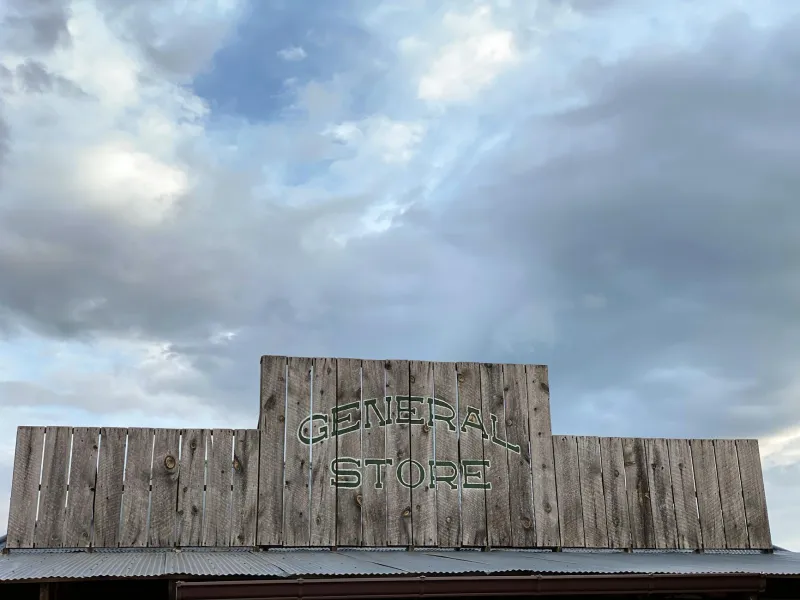
"If we needed a new councilman, we'd talk about it at the general store," recalled longtime resident Dorothy Walsh. "Usually someone would volunteer, and if nobody objected, that was that. Why make it complicated?"
The system worked because Millfield's municipal needs were minimal. They had no police force, no fire department, and no municipal services beyond maintaining a single dirt road and operating a small cemetery. The "mayor" was essentially a ceremonial position that involved signing the occasional form and representing the town at county meetings.
The Legal Loophole That Made It Work
Pennsylvania law required incorporated municipalities to hold elections every four years, but it didn't specify what happened if they didn't. The state assumed any town that failed to hold elections would simply dissolve.
Millfield discovered a bureaucratic blind spot: as long as someone filed annual paperwork with the county clerk claiming to represent the municipality, the state assumed elections were happening somewhere. The paperwork got filed, the town stayed incorporated, and nobody in Harrisburg bothered to verify the details.
"We weren't trying to break the law," explained former "mayor" Robert Chen, who served from 1954 to 1963 despite never appearing on a ballot. "We just figured if the state cared, they'd say something."
The Stubborn Citizen Who Ruined Everything
In 1970, Harold Kramer moved to Millfield from Philadelphia, bringing big-city expectations about how government should work. After six months of watching decisions get made at informal coffee meetings, he requested information about upcoming elections.
There weren't any.
Kramer spent weeks digging through Pennsylvania municipal law before confronting the town council with an uncomfortable truth: they'd been operating illegally for nearly five decades.
"They looked at me like I'd accused them of murder," Kramer later recalled. "I tried to explain that I wasn't trying to cause trouble. I just wanted to know when I could vote."
The Most Reluctant Election in American History
Faced with the choice between dissolving the municipality or holding their first election since 1923, Millfield residents grudgingly chose democracy. The 1970 election was a masterpiece of small-town politics.
Four people ran for mayor: the current unofficial mayor (who didn't want the job), Harold Kramer (who nobody wanted to vote for), and two write-in candidates who didn't know they were running until election day.
The campaign lasted two weeks and consisted entirely of conversations at the post office. There were no campaign signs, no debates, and no platforms beyond "keep things the way they are" versus "follow the law."
Democracy Wins (Sort Of)
The election results perfectly captured Millfield's attitude toward formal democracy: the unofficial mayor won by three votes, immediately resigned, and appointed his predecessor to finish the term. Harold Kramer came in dead last.
"We voted to keep everything exactly the same," laughed voter Margaret Thompson. "Except now we had to do it every four years whether we wanted to or not."
The town has dutifully held elections ever since, though voter turnout rarely exceeds 30%, and unopposed candidates are the norm. The 2018 mayoral race was decided by a coin flip after the two candidates tied with four votes each.
The Accidental Experiment in Government
Political scientists who studied Millfield's case found something remarkable: the town's informal consensus-based system had actually been more representative than many traditional democracies. Because decisions were made through open community discussion rather than backroom politics, residents felt more engaged despite never voting.
"Millfield accidentally created one of the purest forms of direct democracy in America," observed Dr. Sarah Martinez, who wrote her dissertation on small-town governance. "They just forgot to make it legal."
The Price of Playing by the Rules
Ironically, forcing Millfield to hold regular elections may have made it less democratic. With formal positions and terms to consider, politics crept into what had been purely practical decisions. The friendly consensus that had governed for decades gradually gave way to the usual small-town feuds and personality conflicts.
Harold Kramer, the man who insisted on proper elections, moved away in 1978. "I got what I wanted," he admitted years later. "I'm just not sure it was an improvement."
When Democracy Works Too Well
Millfield's story raises uncomfortable questions about the relationship between legal process and effective governance. For 47 years, this small Pennsylvania town proved that democracy isn't always about elections — sometimes it's about neighbors talking to each other and finding solutions that work.
The town still exists, still holds elections every four years, and still makes most of its real decisions the same way it always has: over coffee at the general store, where everyone gets a voice and consensus usually emerges naturally.
Sometimes the best democracy is the kind that doesn't realize it's democracy at all.